
The Silent Hill franchise has long been synonymous with psychological horror, foggy landscapes that instill primal fear, and deeply personal narratives rooted in trauma. After spending three hours with the upcoming Silent Hill: Townfall, it’s becoming increasingly clear that developer Screen Burn may have cracked the code on delivering a fresh yet faithful entry in this beloved horror series. The first-person perspective immediately evokes memories of what Konami’s legendary P.T. demo could have become, offering an intimate connection with the environment that heightens both the storytelling and the sense of dread that permeates every shadow-filled corner.
Key Takeaways
- First-person perspective evokes P.T.’s intimate horror while the CRTV device replaces objective markers with environmental puzzle-solving that demands genuine observation
- Combat is intentionally clunky and ammunition scarce—hiding spots and stealth are the primary survival tools, not fighting
- The 1990s Scottish setting draws from real coastal towns, with an American protagonist designed to make players feel like confused outsiders
- Puzzles serve as storytelling vehicles, revealing character histories and community secrets through clues rather than exposition dumps
- Developer Screen Burn includes Alien: Isolation veterans, bringing experience in vulnerability-focused horror design
Silent Hill: Townfall arrives at an interesting moment for the franchise. After years of dormancy following the cancellation of Silent Hills in 2015, the series has experienced a remarkable revival. The critically acclaimed Silent Hill 2 remake demonstrated that Konami’s partnership with external developers could yield exceptional results, while Silent Hill f promises to explore entirely new cultural territory. Townfall continues this anthology approach, proving that Silent Hill’s essence isn’t tied to a single location but rather to a consistent philosophy of horror that explores human vulnerability and psychological torment.
A Scottish Coastal Town Through an Outsider's Eyes
Screen Burn, formerly known as NoCode, brings impressive credentials to this project. The studio previously developed the space-thriller Observation and has direct connections to the legendary Alien: Isolation through director Jon McKellan, who worked on that game and directed its DLC. This lineage is evident throughout Townfall’s design philosophy, which emphasizes vulnerability over power fantasy. Combat exists as a last resort while stealth and careful observation become the player’s primary tools for survival.
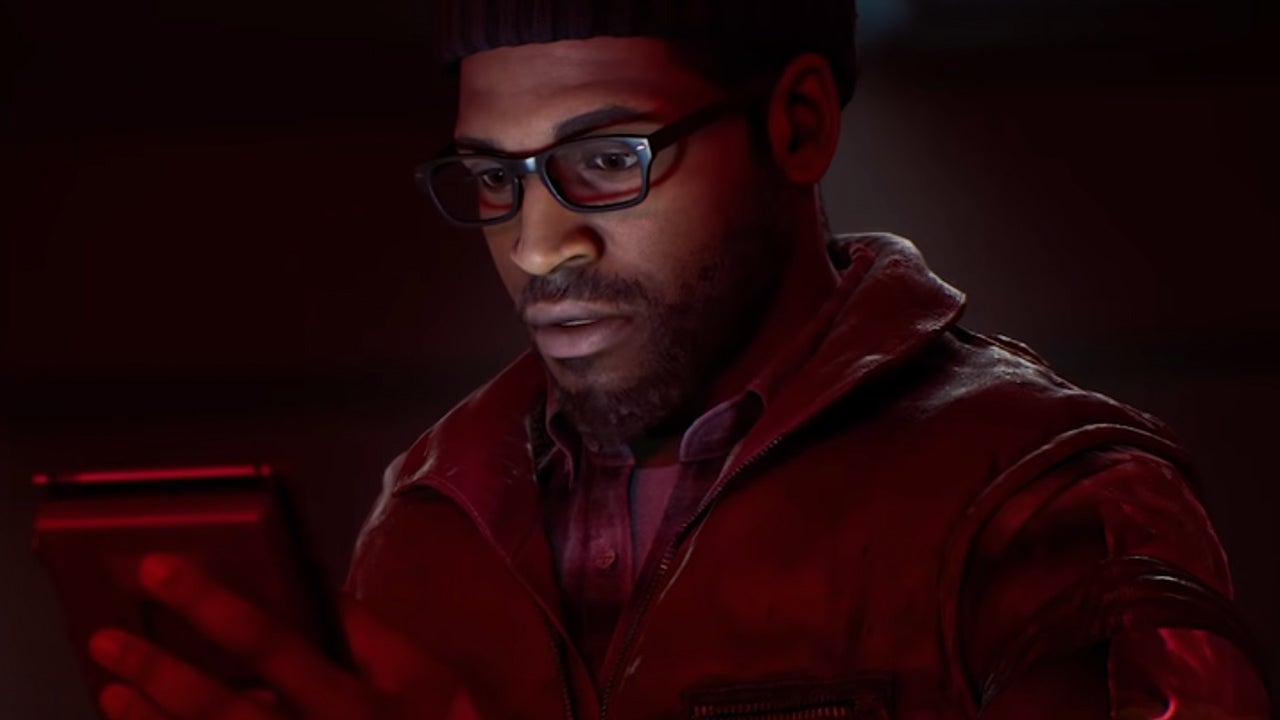
The game unfolds in the 1990s within a fictional Scottish seaside town called St. Amelia, drawing direct inspiration from the real coastal communities where Screen Burn’s team members grew up. While these ports are naturally foggy, Townfall intensifies this atmospheric element as players gradually uncover how a once tight-knit community was torn apart by what appears to be a disease that mutated its residents into nightmarish creatures. Players assume the role of Simon Ordell, an American who mysteriously washes ashore with an IV still attached to his hand, searching for a nurse named Zoe Ellis. The choice to make players an outsider in this foreign land serves a deliberate narrative purpose, helping audiences connect with someone equally confused and terrified by the unfolding mystery.
The CRTV Device Reinvents the Iconic Radio
| Function | How It Works |
|---|---|
| Navigation | Displays fragmented video clips of buildings and paths instead of waypoints or minimaps |
| Enemy Detection | Shows mutated creatures as radio signals that players manually tune and mark on-screen |
| Wall Vision | Once tuned, enemies become visible through walls when pointing the device toward them |
| Puzzle Solving | Broadcasts cryptic closeup clips of objects that represent combination digits or clues |
Every Silent Hill game features a radio as a key item, but Townfall elevates this tradition through the CRTV device. This portable unit serves multiple gameplay functions that create deeper engagement with St. Amelia’s twisted streets. Rather than following objective markers or minimaps, players tune the CRTV to receive fragmented video clips showing buildings and alleyways along their path, demanding genuine attention to environmental details. Simon also carries a physical map that he manually annotates based on discoveries, replacing traditional quest logs with something far more immersive.
The CRTV’s most impressive application comes through puzzle design. One memorable sequence in a pharmacy requires players to devise a four-number combination by interpreting seemingly unrelated closeup clips of objects within the store. Each clip represents a digit, but understanding their meaning requires observation and deduction without explicit hand-holding. This approach demonstrates remarkable trust in players’ intelligence while creating puzzle solutions that feel genuinely satisfying. Earlier sections introduce this concept through escape room-style scenarios where photographs, journal entries, and calendar markings combine to reveal solutions that simultaneously advance the narrative.
Director Jon McKellan emphasized that puzzles are intentionally designed as storytelling vehicles. The clues and solutions reveal character details and community history, developing player understanding organically rather than through exposition dumps. This philosophy recalls the series’ finest moments, where gameplay mechanics and narrative remained inseparably intertwined.
Stealth and Desperation Over Combat Mastery
The CRTV also functions as an enemy detection system, displaying mutated monsters as radio signals that players manually tune to mark on-screen. Once marked, enemies become visible through walls when pointing the device in their direction, enabling strategic navigation through dangerous areas. Managing multiple frequencies when four or five creatures lurk nearby creates its own tension, but this system ultimately levels the playing field for stealth gameplay, reducing frustrating trial-and-error while maintaining genuine challenge.
Combat deliberately feels like desperation rather than empowerment. Simon wields 2×4 planks and a loud revolver with severely limited ammunition, making direct confrontation genuinely risky. The first-person melee mechanics lack the responsiveness players might expect from action-focused games, but this limitation feels intentional within Townfall’s survival horror context. Numerous closets and sheds scattered throughout St. Amelia provide hiding spots, ensuring that getting caught doesn’t always require fighting. This design philosophy acknowledges that Simon is an ordinary person trapped in extraordinary circumstances, not a trained combatant.
Historical context illuminates why this approach matters. The original Silent Hill games on PlayStation pioneered survival horror by making players feel underpowered against supernatural threats. Tank controls and clunky combat weren’t purely technical limitations but contributed to the overwhelming vulnerability that defined the experience. Townfall translates this philosophy into modern first-person gameplay while drawing from analog horror traditions reminiscent of mysterious number stations and the unsettling video series Local 58.
Corporate Greed Meets Personal Guilt
The narrative framework reveals familiar yet timely themes. Abandoned protest signs condemning an organization called CEG suggest that corporate interests overran St. Amelia before catastrophe struck. This premise connects Townfall to real-world anxieties about communities destroyed by industrial negligence and environmental disasters. Exploring protagonist Zoe Ellis’s story through scattered emails, notes, and letters reveals her mental breakdown, guilt over failing colleagues, and regrets about being unable to save her community.
These thematic concerns have always defined Silent Hill at its best. The series has historically examined grief, guilt, repressed trauma, and personal failure through supernatural allegory. James Sunderland’s journey through Silent Hill 2 remains a benchmark for psychological horror storytelling in games, while later entries explored everything from domestic abuse to religious extremism. Townfall appears poised to continue this tradition by embedding its horror in recognizable human struggles, creating emotional resonance that elevates simple scares into lasting impact.
When the sky inexplicably turns blood red and mutated beings emerge in greater numbers, navigating St. Amelia’s backyards and apartment complexes becomes an intense gauntlet. These sequences balance quieter exploration with desperate survival, bobbing between monsters while creating distractions or landing panicked shots. The contrast between oppressive silence and chaotic flight creates rhythm that prevents either tone from becoming monotonous.
Silent Hill: Townfall launches on September 24 for PlayStation 5 and PC, arriving during what might be the franchise’s most promising era in over a decade. With the Silent Hill 2 remake proving that external developers can honor the series’ legacy while the upcoming Silent Hill f explores entirely new cultural territory, Townfall represents another bold step in establishing Silent Hill as a true anthology series. Different parts of the world telling their own stories wrapped in consistent thematic and atmospheric horror suggests a sustainable future for a franchise that seemed permanently lost just a few years ago.
Why Townfall Could Reshape Silent Hill's Future
Screen Burn’s three-hour demo suggests the studio understands what made Silent Hill work: powerlessness, environmental storytelling, and horror rooted in human failure rather than monster spectacle. The CRTV device is the clearest evidence of this understanding—it transforms a franchise staple into something that demands active engagement rather than passive following of quest markers.
The decision to set Townfall in 1990s Scotland rather than the American Midwest signals confidence that Silent Hill’s identity lies in its approach to horror, not its geography. This aligns with the anthology direction Konami is pursuing across multiple projects, from the Japanese-set Silent Hill f to the faithful Silent Hill 2 remake.
Corporate negligence destroying a working-class community is a theme with obvious contemporary resonance. Whether Screen Burn can sustain this premise across a full game without becoming heavy-handed remains to be seen. The scattered environmental storytelling approach suggests restraint, but three hours is too short to judge pacing over eight or ten.
Players who bounced off Alien: Isolation’s punishing stealth may find similar frustrations here. The limited combat and hiding-focused survival will appeal to horror purists but could alienate those expecting more agency. Screen Burn is betting that vulnerability is the point—the same bet the original games made with tank controls and scarce ammunition.
Questions Players Are Asking
Is Silent Hill Townfall connected to previous Silent Hill games?
Townfall is a standalone story set in fictional Scottish town St. Amelia, not the American town of Silent Hill. It’s part of Konami’s anthology approach where different developers create original stories sharing the series’ horror philosophy rather than direct plot connections.
What is the CRTV device in Silent Hill Townfall?
The CRTV is a portable device that replaces traditional game navigation and detection systems. Players tune it to receive video clips for wayfinding, detect enemies as radio signals, and solve puzzles by interpreting cryptic footage—all without objective markers or minimaps.
Who is developing Silent Hill Townfall?
Screen Burn, formerly NoCode, is developing Townfall. The studio created the space-thriller Observation and is led by director Jon McKellan, who previously worked on Alien: Isolation and directed its DLC content.
Expert Opinion: Silent Hill: Townfall’s emphasis on environmental storytelling and analog horror aesthetics suggests Screen Burn understands what made the original games resonate beyond surface-level scares. The success of this anthology approach could establish a template for keeping classic horror franchises relevant by allowing diverse creative teams to explore the core themes through their own cultural lenses. If Townfall delivers on its preview promise, it may prove that Silent Hill’s greatest asset was never its specific mythology but its unflinching examination of human trauma.