
The future of the beloved Dragon Age franchise appears increasingly uncertain, according to former BioWare producer and twenty-year studio veteran Mark Darrah. In a candid interview with FRVR, Darrah painted a sobering picture of the challenges facing any potential continuation of the epic fantasy role-playing series, citing Electronic Arts’ complicated relationship with game development and the publisher’s growing collection of abandoned intellectual properties. His comments come at a particularly turbulent time for both BioWare and its parent company, raising serious questions about whether fans will ever see another entry in the acclaimed RPG franchise.
Key Points
- Former BioWare producer Mark Darrah calls EA’s library of dormant IPs ‘frightening,’ with Dragon Age at risk of joining Titanfall and Mirror’s Edge in limbo.
- Darrah says he doesn’t know who at BioWare would even pitch a new Dragon Age after years of layoffs stripped the studio of veteran talent.
- The studio is now focused on the next Mass Effect, leaving questions about whether it can handle multiple major RPG projects.
- A proposed Saudi-led acquisition of EA introduces uncertainty about whether new owners would even want BioWare or its franchises.
- Dragon Age: The Veilguard launched in 2024 after a decade of reboots but disappointed commercially despite strong fan anticipation.
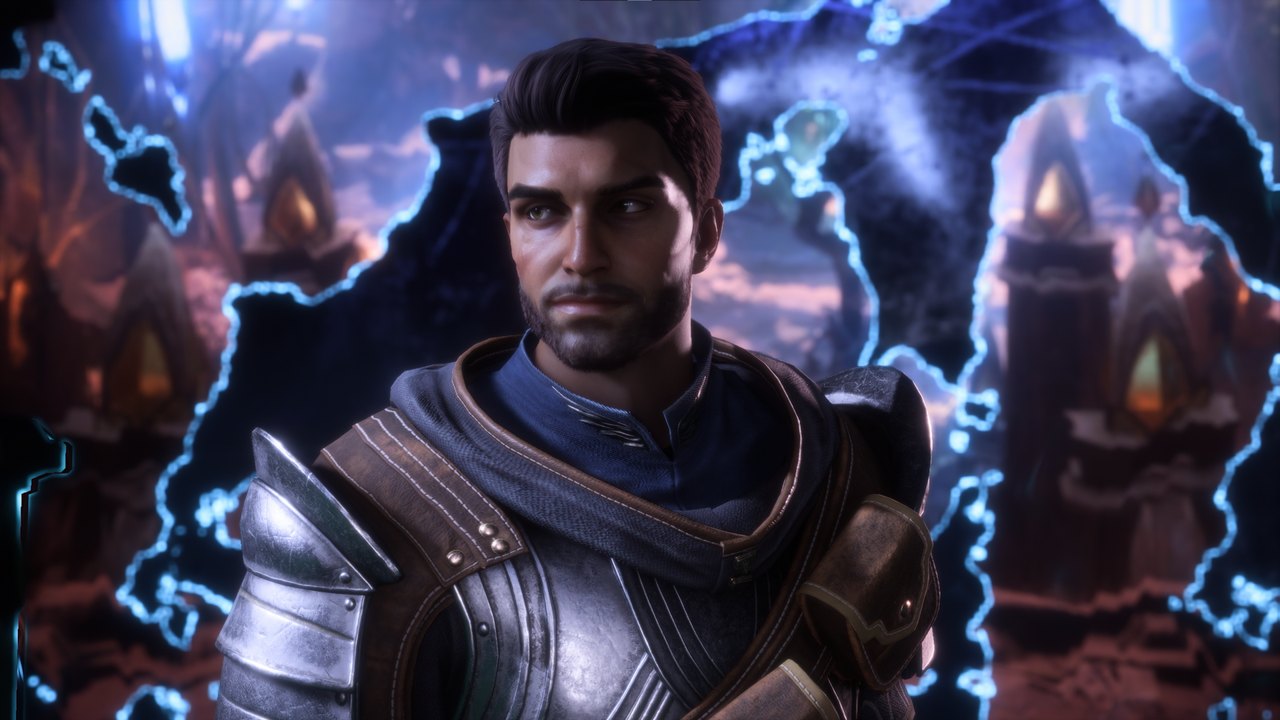
The Dragon Age series has experienced a tumultuous journey since its inception in 2009 with Dragon Age: Origins, which was celebrated as a spiritual successor to classic RPGs like Baldur’s Gate. Dragon Age: Inquisition, released in 2014, proved to be both a critical and commercial triumph, winning numerous Game of the Year awards and demonstrating the franchise’s massive appeal. However, the path forward proved far more difficult than anyone anticipated. After a decade-long gap punctuated by multiple internal reboots and development restarts, Dragon Age: The Veilguard finally launched in 2024 to disappointing sales figures, despite years of anticipation from dedicated fans.
EA Operates Like 'A Hedge Fund With a Video Game Hobby'
Darrah’s assessment of Electronic Arts’ approach to game publishing was notably harsh but reflected sentiments that have circulated within the gaming industry for years. “Someone once described to me EA as a hedge fund with a video game hobby that it wished it didn’t spend so much money on, and I think that remains true,” he revealed during the interview. This characterization speaks to broader criticism of EA’s corporate strategy, which has increasingly prioritized live-service games, microtransactions, and annual sports franchises over the kind of ambitious single-player experiences that defined BioWare’s legacy. The publisher has faced persistent criticism for its handling of beloved franchises and its tendency to shutter studios after underperforming releases.
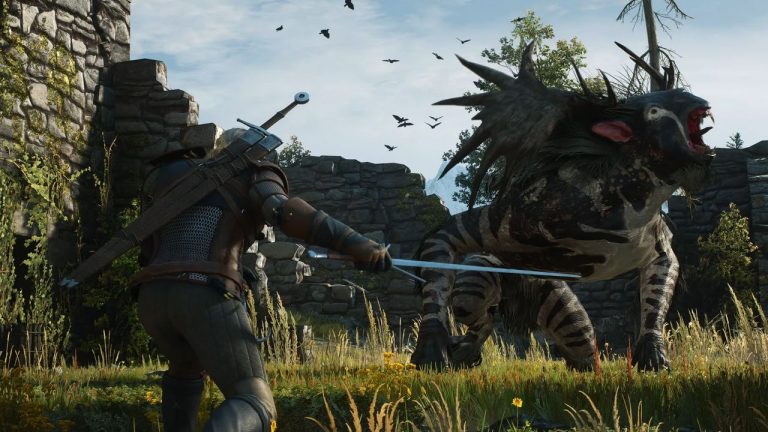
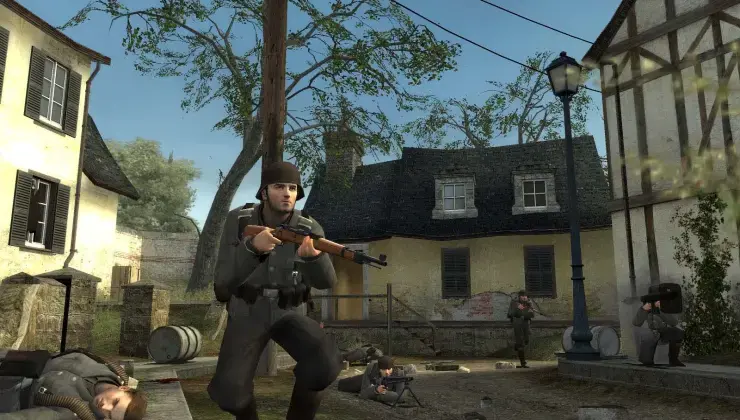
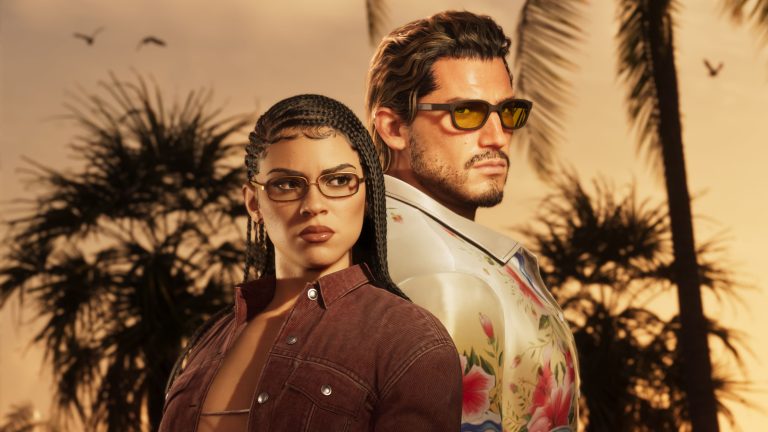
The former producer expressed particular concern about EA’s extensive library of dormant intellectual properties, describing it as “frightening” in scope. Dragon Age now finds itself potentially joining the ranks of other abandoned EA franchises like Titanfall, Mirror’s Edge, Dead Space, and countless others that once showed tremendous promise. This pattern of acquiring studios and IPs only to let them languish has become a defining characteristic of EA’s business practices, frustrating both developers and consumers who remember these franchises fondly. The company’s reluctance to invest in projects without guaranteed returns has created an environment where creative risk-taking is increasingly rare.
BioWare's Talent Drain Leaves No One to Champion Dragon Age
The internal dynamics at BioWare present additional obstacles for any potential Dragon Age revival. “The problem is I don’t know who at BioWare would pitch a Dragon Age,” Darrah admitted, highlighting the exodus of veteran talent from the studio over recent years. Multiple rounds of mass layoffs at EA have devastated BioWare’s workforce, stripping the developer of institutional knowledge and experienced creators who understood what made the franchise special. The studio is currently focused on the next Mass Effect project, and questions remain about whether BioWare possesses the resources or bandwidth to manage multiple major RPG productions simultaneously.
Darrah also addressed the complex territorial dynamics that would emerge if another EA studio attempted to revive Dragon Age. He suggested that any such effort would likely face resistance from BioWare itself, comparing the reaction to “people jumping under the vents to rip that person apart.” This protective instinct, while understandable given BioWare’s historical connection to the franchise, creates a paradoxical situation where Dragon Age might remain in limbo indefinitely—too valuable to give away, yet too risky to develop internally given recent performance.
Saudi-Led Acquisition Could Reshape EA's Entire Portfolio
Adding another layer of complexity to the situation is the proposed acquisition of Electronic Arts by a consortium of investment firms led by the Saudi Arabian Public Investment Fund. This potential ownership change introduces profound uncertainty about the future direction of EA’s portfolio, including studios like BioWare and franchises like Dragon Age. Darrah openly questioned whether new ownership would even maintain interest in the studio or its properties, asking pointedly: “Do you want BioWare at all in this world?” The question reflects broader industry anxieties about consolidation and the influence of sovereign wealth funds on creative entertainment industries.
Despite these challenges, the Dragon Age community has refused to abandon hope for the franchise. Dedicated fans continue to create mods, write fan fiction, and engage with the rich lore that BioWare established over four mainline games. Some observers point to recent successes in the RPG genre, including Baldur’s Gate 3’s phenomenal reception, as evidence that appetite for deep, narrative-driven fantasy experiences remains strong. Whether that passion can overcome the corporate obstacles Darrah outlined remains to be seen, but the franchise’s legacy continues to resonate with players who experienced its unique blend of compelling characters, moral complexity, and epic storytelling.
The Structural Problem Behind Dragon Age's Uncertain Future
Darrah’s comments reveal a catch-22 that goes beyond typical corporate caution. Dragon Age sits in a peculiar trap: BioWare lacks the bandwidth and possibly the institutional memory to develop it, yet Darrah suggests the studio would resist letting another EA team take it over. He compared any such attempt to colleagues ready to ‘rip that person apart.’ That territorial instinct, combined with EA’s documented reluctance to fund risky single-player projects, creates indefinite stasis.
The timing matters. Baldur’s Gate 3 proved in 2023 that audiences will embrace ambitious, systems-heavy fantasy RPGs when they’re well-executed. But that success came from Larian, an independent studio with creative control. EA’s structure—quarterly earnings pressure, live-service preference—makes replicating that approach difficult. Dragon Age: Inquisition sold well in 2014, yet even that success didn’t insulate the franchise from a decade of troubled development afterward.
The Saudi-led acquisition adds a wildcard. Sovereign wealth funds typically seek stable returns, not passion projects. Whether new owners would view BioWare as a valuable asset or an expensive liability is genuinely unknown, and Darrah’s blunt question—‘Do you want BioWare at all in this world?’—suggests even insiders aren’t sure. Fans hoping for a revival may need to watch the ownership situation as closely as any game announcement.
Questions Fans Are Asking
Will there be another Dragon Age game after Veilguard?
No announcement has been made. Former producer Mark Darrah says EA’s risk aversion and BioWare’s depleted roster make a new entry difficult to greenlight. The studio is currently prioritizing the next Mass Effect project.
Why did Dragon Age: The Veilguard underperform?
Darrah didn’t specify causes, but the game launched in 2024 after a decade of internal reboots. Despite strong fan anticipation, sales disappointed, which compounds EA’s reluctance to invest further in the franchise.
Could another studio take over Dragon Age from BioWare?
Darrah suggested BioWare would strongly resist handing the IP to another EA team. Combined with EA’s pattern of letting dormant franchises sit unused, an external revival within EA seems unlikely.
Expert Opinion: The situation facing Dragon Age exemplifies a broader crisis in AAA game development, where risk-averse corporate structures increasingly conflict with the creative ambition necessary for compelling single-player experiences. Unless EA undergoes significant philosophical changes in its approach to game publishing—or the franchise finds new life under different ownership—Dragon Age may join the growing list of beloved series sacrificed to corporate indifference. The industry would benefit from watching how this situation develops, as it may signal the future viability of narrative-driven RPGs within major publisher ecosystems.