
In the aftermath of devastating layoffs that swept through legendary game studio id Software in July, a senior developer has broken his silence with a scathing critique of parent company Microsoft and its Xbox division. Chris Hays, lead services programmer at the studio behind iconic first-person shooter franchises like Doom and Quake, delivered a blistering assessment during a recent podcast interview, accusing Microsoft executives of fundamentally misunderstanding both art and the game development process. His comments represent one of the most candid insider critiques of Microsoft’s gaming strategy to emerge from within its own studios.
Hays, who has been with id Software since 2010 and witnessed the studio’s triumphant return to form with Doom 2016 and its acclaimed sequels, painted a grim picture of the company’s current state. Speaking on the German podcast “Auf ein Bier” with host Andre Peschke, the veteran programmer pulled no punches in describing the impact of the cuts. “It’s hard to make a game that is AAA, that’s like we’ve done before, with half the people. And by hard, I mean impossible,” Hays stated bluntly. He emphasized that entire departments essential to game development have been eliminated, leaving the remaining staff uncertain about how future projects could possibly move forward.
A Legacy Studio Faces an Uncertain Future
The significance of these layoffs cannot be overstated when considering id Software’s place in gaming history. Founded in 1991 by John Carmack, John Romero, Adrian Carmack, and Tom Hall, id Software essentially invented the first-person shooter genre with groundbreaking titles like Wolfenstein 3D and the original Doom in 1993. The studio pioneered technologies and game design principles that would shape the entire gaming industry for decades. Their work on game engines, particularly the id Tech series, revolutionized how games were built and played. For many gamers who grew up in the 1990s, id Software represented the cutting edge of interactive entertainment.
Hays expressed particular frustration with the messaging coming from studio management following the layoffs. He revealed that leadership has been given strict talking points about what can and cannot be said publicly, creating an atmosphere of uncertainty among remaining employees. “It feels like it is, instead, more reassurances,” he explained. “They don’t want more people to jump ship and say, ‘Oh, there’s no more future in id, so we’re all going to leave,’ and then there’s no one left.” The studio’s official statement claimed that post-restructuring, id Software would be “about the same size we were when making Doom 2016,” but Hays directly contradicted this, stating the reality is that the studio now has fewer staff than worked on that critically acclaimed 2016 reboot.
The Game Pass Conundrum and Microsoft’s Business Model
Perhaps the most revealing portion of Hays’ interview touched on the broader strategic issues facing Xbox and its Game Pass subscription service. When asked why id Software was hit so hard by the layoffs, Hays admitted he has no clear answer but pointed to fundamental problems with how Microsoft measures success in gaming. “Whenever we see the Microsoft financial reports that say there were, you know, poor sales under Bethesda. What’s a sale if you have Game Pass?” he questioned. This comment highlights a tension that industry analysts have long discussed: the difficulty of measuring a game’s success when millions of players access it through a subscription service rather than purchasing it outright.
Microsoft acquired ZeniMax Media, id Software’s parent company and owner of Bethesda Softworks, in a landmark $7.5 billion deal completed in March 2021. The acquisition brought numerous beloved franchises under the Xbox umbrella, including Doom, The Elder Scrolls, Fallout, and Wolfenstein. However, the integration has been rocky, with multiple rounds of layoffs affecting various ZeniMax studios. Hays contrasted the current situation with how success was measured under previous ownership, explaining that ZeniMax had clearer metrics separating game quality from marketing and sales performance. Under Microsoft, he suggested, this distinction has been lost, creating confusion about expectations and goals.
The Human Cost of Corporate Restructuring
The layoffs at id Software are part of a much larger restructuring initiative across Microsoft’s gaming division. New Xbox CEO Asha Sharma announced what she called the “most significant restructure in Xbox history,” immediately affecting 1,600 employees with another 1,600 positions to be eliminated throughout the current financial year. The total of 3,200 job cuts represents a seismic shift in Microsoft’s gaming strategy, raising questions about the company’s commitment to its studio acquisitions. Critics have argued that Microsoft spent billions acquiring studios only to hollow them out through subsequent layoffs, potentially undermining the creative talent that made these studios valuable in the first place.
Hays’ most pointed criticism centered on his belief that Microsoft executives simply do not understand the creative process behind game development. “They fundamentally don’t understand art. They don’t. They don’t understand art. They don’t understand games,” he stated emphatically. When pressed to elaborate, he explained that cutting half of a studio’s workforce without understanding how games are actually made demonstrates a profound disconnect. “The cohesion between our teams was what was important. What made us successful,” he said. This observation echoes concerns raised by many industry veterans who argue that game development relies heavily on institutional knowledge, established workflows, and interpersonal relationships that cannot simply be replaced or rebuilt.
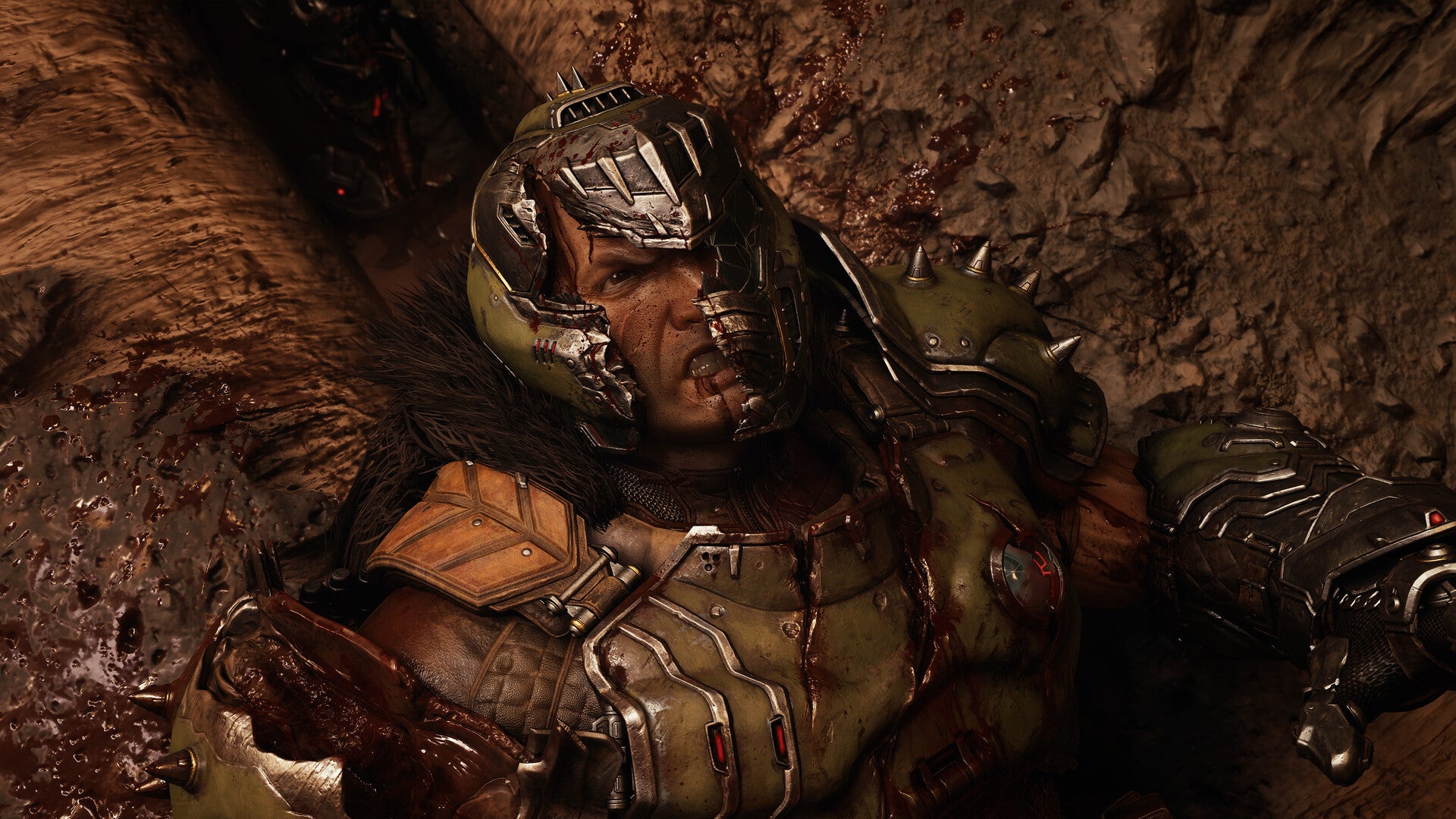
Despite the turmoil, id Software has continued to deliver quality content. The studio released Doom: The Dark Ages in 2025 to critical acclaim, followed by the Revelations DLC just last month. Industry reviews have been overwhelmingly positive, with major outlets awarding the game scores of 9 out of 10. However, Hays’ comments suggest that maintaining this level of quality may become increasingly difficult with a dramatically reduced workforce. The question facing id Software and its remaining employees is whether they can continue to meet the high expectations set by their legendary past while operating with what Hays described as resources more appropriate for “a single-player Xbox 360 game” than a modern AAA blockbuster.
Expert Opinion: Microsoft’s aggressive cost-cutting measures across its gaming division reflect a broader industry trend of prioritizing short-term financial metrics over long-term creative investment. The irony is that id Software’s value to Microsoft lies entirely in its ability to produce genre-defining games, a capability that depends on the very talent being eliminated. If these layoffs significantly impact future game quality, Microsoft may find it has traded institutional knowledge and proven creative teams for quarterly savings that ultimately cost far more in lost franchise value and consumer trust.