
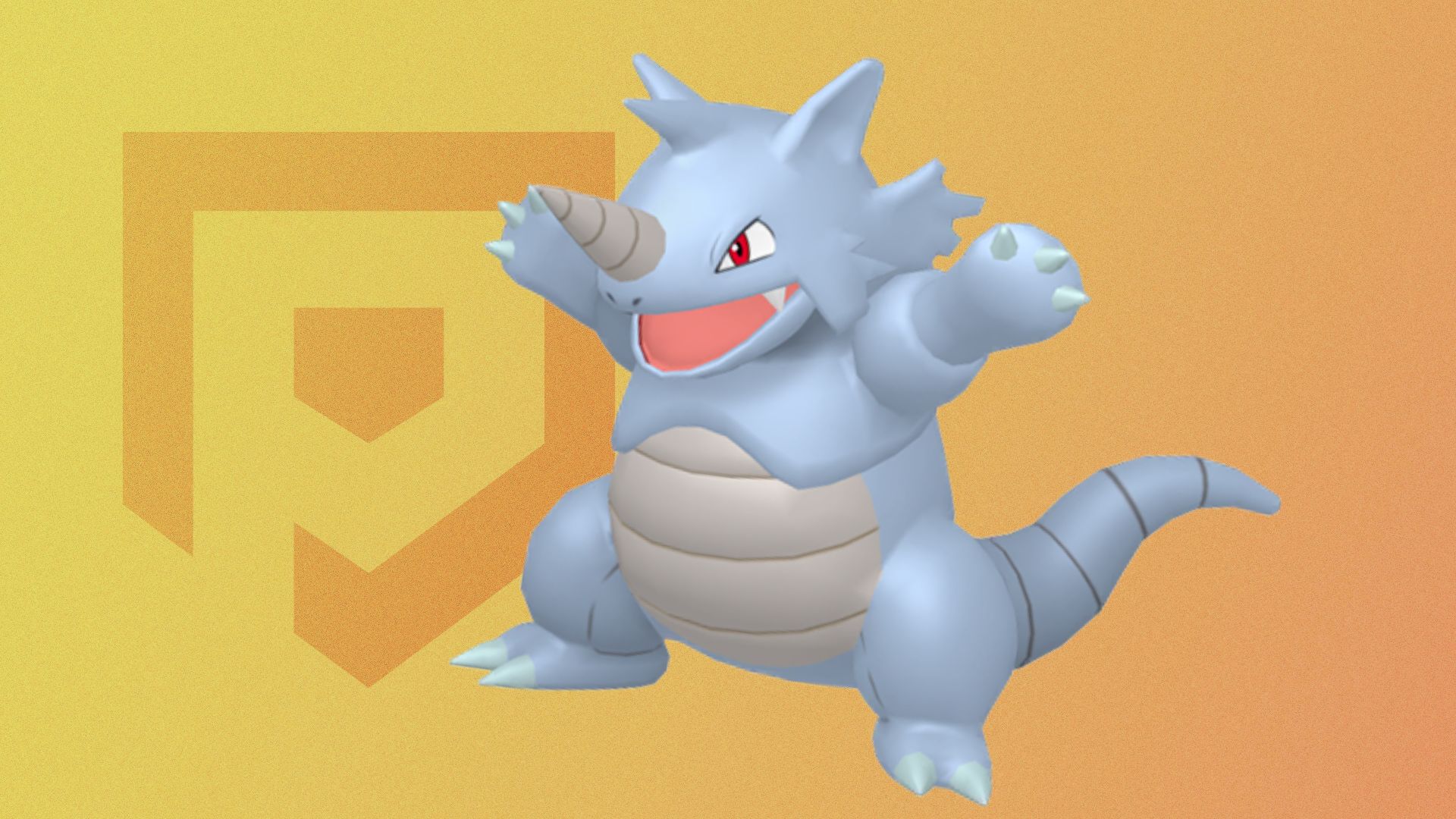
Rhydon, affectionately known as the Drill Pokémon, holds a special place in the hearts of Pokémon fans worldwide. This powerful Ground and Rock-type creature represents the evolved form of Rhyhorn and serves as a formidable presence in any trainer’s roster. With its distinctive appearance featuring two prominent horns and an armored body, Rhydon has been a fan favorite since the very first generation of Pokémon games. What many trainers may not realize is that Rhydon carries significant historical importance in the franchise, being widely regarded as the first Pokémon ever designed by creator Ken Sugimori back in the early development stages of the original games.
The evolution from Rhyhorn to Rhydon represents a dramatic transformation in both appearance and combat capabilities. While Rhyhorn moves on four legs and has a more rhinoceros-like appearance, Rhydon stands bipedally and gains significantly enhanced offensive capabilities. The Pokémon’s signature feature is its drill-like horn, which can reportedly spin at high speeds and is powerful enough to bore through solid rock and even diamond. This horn serves as Rhydon’s primary weapon in battle and has inspired many of its signature moves throughout the games.
Physical Characteristics and Gender Differences
Rhydon’s physical design showcases a blend of prehistoric and mechanical elements that make it instantly recognizable. Standing at approximately 6 feet 3 inches tall and weighing around 265 pounds, this Pokémon presents an imposing figure on any battlefield. The creature’s hide is described as being incredibly tough, capable of withstanding extreme temperatures and physical impacts. Its gray, armor-plated skin provides natural protection against many types of attacks, though this defense comes with notable vulnerabilities to Water and Grass-type moves due to its Ground and Rock typing.
One interesting biological detail that dedicated trainers should note is the subtle size difference between male and female Rhydon specimens. Male Rhydon possess slightly larger horns compared to their female counterparts, a distinction that mirrors sexual dimorphism seen in many real-world animals such as rhinoceroses and various deer species. This attention to biological detail demonstrates Game Freak’s commitment to creating believable creatures within the Pokémon universe.
Evolution Chain and Competitive Viability
The introduction of Generation IV brought exciting news for Rhydon enthusiasts with the addition of Rhyperior to the evolution chain. This final evolution requires trading Rhydon while it holds a Protector item, transforming it into an even more powerful form. However, many competitive players and nostalgic trainers still prefer using Rhydon equipped with the Eviolite item, which boosts the defensive stats of Pokémon that haven’t reached their final evolutionary stage. This strategy can make Rhydon surprisingly bulky while maintaining its already impressive Attack stat.
Understanding type matchups is crucial for any trainer hoping to use Rhydon effectively. As a dual Ground and Rock-type Pokémon, Rhydon possesses immunities to Electric-type attacks and resistances to Normal, Flying, Poison, Rock, and Fire-type moves. However, trainers must be cautious of its significant weaknesses. Water and Grass-type attacks deal quadruple damage to Rhydon, making encounters with Pokémon like Gyarados, Lapras, or Venusaur particularly dangerous. Additionally, Ground, Steel, Ice, and Fighting-type moves pose serious threats that smart trainers should anticipate and plan around.
Legacy and Cultural Impact
Beyond its gameplay significance, Rhydon holds a unique place in Pokémon history. Statues resembling Rhydon appear throughout various Pokémon games, often in gyms and significant locations, paying tribute to its status as potentially the first Pokémon ever created. The creature has appeared in numerous anime episodes, movies, and spin-off games, cementing its status as one of the franchise’s most recognizable designs. For trainers looking to build a powerful Ground or Rock-type team, Rhydon remains an excellent choice that combines raw power with nostalgic appeal, proving that sometimes the classics truly are timeless.
Expert Opinion: Rhydon’s enduring popularity demonstrates how well-designed Pokémon transcend generations of games. With proper team support to cover its Water and Grass weaknesses, Rhydon remains competitively viable even decades after its introduction. The introduction of Rhyperior actually enhanced Rhydon’s utility by giving Eviolite strategies new life, ensuring this iconic Drill Pokémon will continue drilling through opponents for years to come.