
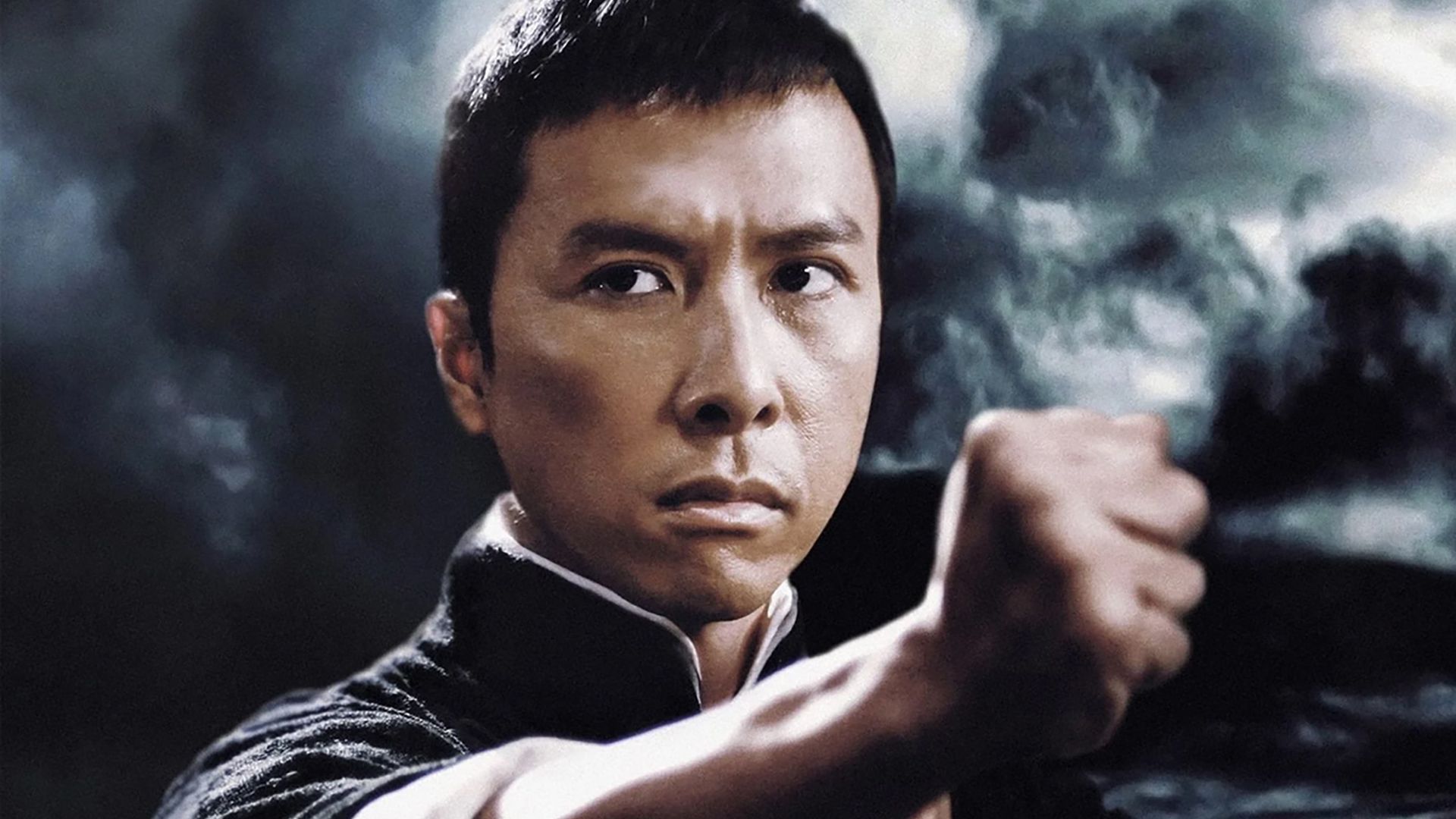
Hong Kong martial arts legend Donnie Yen has officially signed on for a brand-new role that appears to be a direct callback to one of his most celebrated performances from 2004. The announcement has generated significant excitement among fans of the action genre, as Yen continues to demonstrate his remarkable staying power in an industry that often favors younger talent. With a career spanning over four decades, Yen has established himself as one of the most influential martial artists and action choreographers in cinema history, bringing authentic fighting techniques and innovative action sequences to audiences worldwide.
The 61-year-old actor is perhaps best known internationally for his portrayal of the legendary Wing Chun master Ip Man in the hugely successful film series that began in 2008. However, his body of work extends far beyond this iconic role, encompassing memorable performances in Hollywood blockbusters including Star Wars: Rogue One, where he played the blind warrior Chirrut Îmwe, and John Wick: Chapter 4, where his portrayal of Caine earned widespread critical acclaim. His ability to seamlessly transition between Hong Kong cinema and Hollywood productions has cemented his status as a truly global action star.
The Significance of Yen’s 2004 Performance
The year 2004 marked a pivotal moment in Donnie Yen’s career, as he delivered several performances that showcased his extraordinary range as both an actor and martial artist. During this period, Yen was actively working to redefine Hong Kong action cinema, incorporating mixed martial arts techniques and more realistic fighting styles into his choreography. His work from this era helped bridge the gap between traditional wuxia films and modern action cinema, influencing countless filmmakers and fight choreographers who followed in his footsteps.
Yen’s approach to action has always been distinctive, combining his formal training in various martial arts disciplines with an understanding of cinematic storytelling. He began studying martial arts at age four under his mother’s guidance, who was herself a renowned martial arts instructor. This early foundation, combined with subsequent training in taekwondo, judo, kickboxing, and various kung fu styles, has given Yen an unparalleled versatility that continues to serve him well decades into his career.
A Legacy of Innovation in Action Cinema
Throughout his career, Donnie Yen has been instrumental in evolving how martial arts are portrayed on screen. His willingness to incorporate elements from different fighting disciplines, including Brazilian jiu-jitsu and wrestling, helped modernize Hong Kong action films during the early 2000s. This innovative spirit earned him the respect of filmmakers globally and opened doors to international collaborations that would have been unimaginable for Hong Kong actors of previous generations.
The news of Yen returning to themes and styles reminiscent of his 2004 work suggests that audiences may be in for a nostalgic yet fresh experience. Industry observers note that the actor has consistently chosen projects that challenge him artistically while honoring the traditions of martial arts cinema. His commitment to performing his own stunts whenever possible, despite the physical demands this places on his body, demonstrates a dedication to authenticity that resonates with audiences who appreciate practical effects over computer-generated action.
What This Means for Martial Arts Cinema
As Donnie Yen prepares to take on this new role, the martial arts film community is watching with great anticipation. The genre has experienced something of a renaissance in recent years, with streaming platforms investing heavily in action content and international audiences showing renewed interest in authentic martial arts storytelling. Yen’s involvement in a project that deliberately echoes his earlier work could signal a broader trend of established action stars revisiting the styles and themes that first made them famous, while bringing the technical advancements and storytelling sophistication of modern filmmaking to bear.
With his decades of experience and continued physical prowess, Donnie Yen remains one of the few actors capable of anchoring major martial arts productions. His new project represents not just a personal callback to his storied career but potentially a significant moment for the genre as a whole. Fans and critics alike will be eagerly awaiting further details about this exciting development in the legendary performer’s ongoing filmography.
Expert Opinion: Donnie Yen’s decision to revisit themes from his 2004 era suggests a strategic move to capitalize on growing audience nostalgia for classic Hong Kong action cinema while demonstrating that practical martial arts choreography remains superior to CGI-heavy alternatives. This project could potentially revitalize interest in authentic kung fu filmmaking among younger audiences who discovered Yen through his Hollywood work, creating a bridge between traditional martial arts cinema and contemporary action entertainment.