
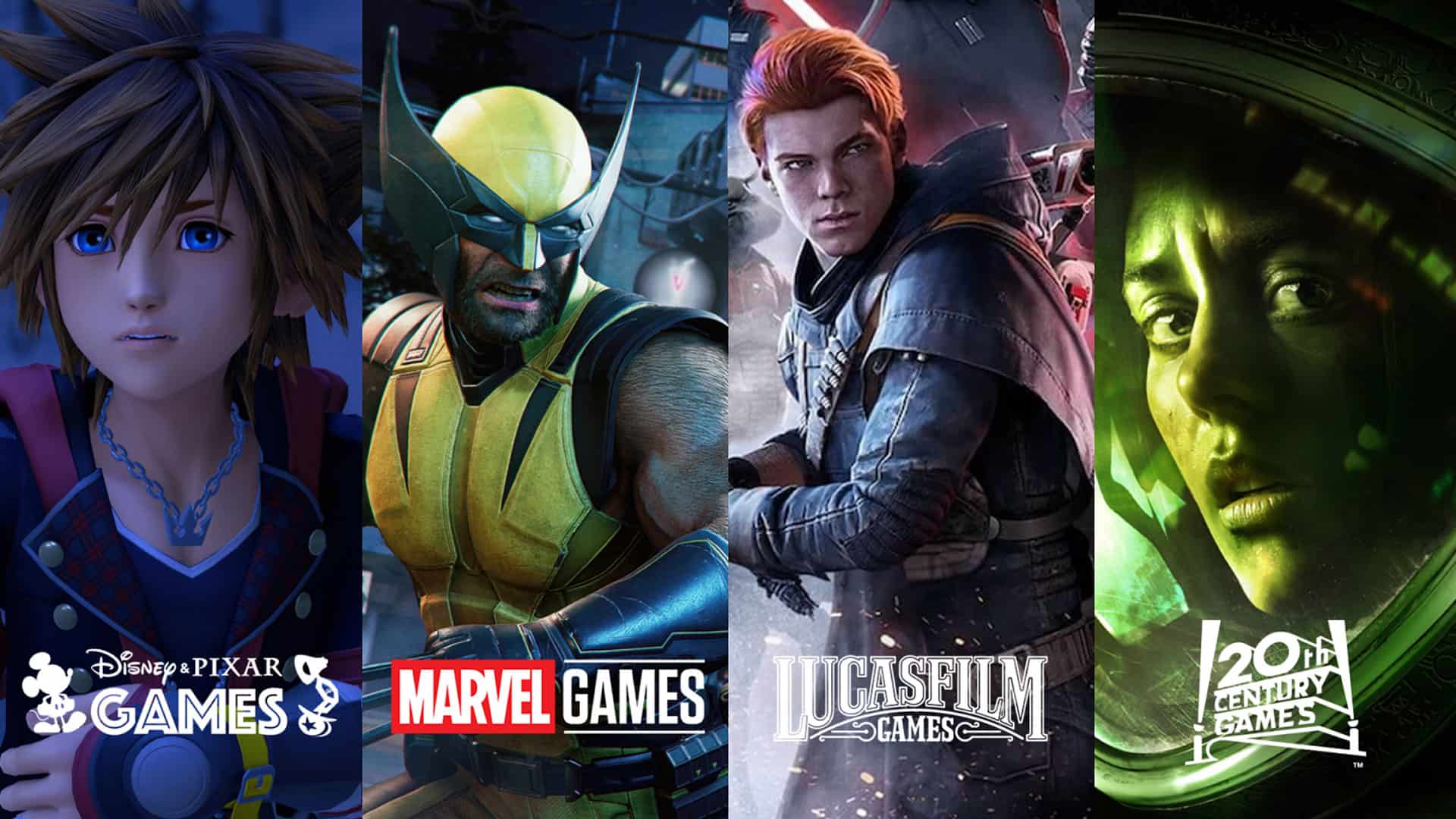
After thirteen games, countless merchandise items, and one remarkably convoluted timeline, Kingdom Hearts has achieved something that places it among the most elite properties in gaming history. The beloved action role-playing series, which uniquely blends Disney’s iconic characters with Square Enix’s Final Fantasy universe, has officially crossed the $1 billion revenue threshold, joining the exclusive ranks of other Disney-owned gaming juggernauts like Marvel and Star Wars titles. This milestone represents not just a commercial triumph but a validation of one of gaming’s most ambitious and unlikely crossover concepts.
The journey to this billion-dollar benchmark has been nothing short of extraordinary for a franchise that many initially dismissed as an odd experiment. When Kingdom Hearts first launched in 2002 for the PlayStation 2, the idea of mixing Donald Duck and Goofy with brooding anime-style protagonists seemed destined for failure. Instead, the game became a massive hit, selling over six million copies in its first year and spawning a multimedia empire that has captivated multiple generations of players. The series has now sold over 36 million copies worldwide, with revenue streams extending far beyond game sales into merchandise, soundtracks, manga adaptations, and more.
A Legacy Built on Unlikely Partnerships
The Kingdom Hearts franchise owes its existence to a chance elevator encounter in the late 1990s. According to gaming industry legend, a Square executive happened to share an elevator with a Disney executive in a building where both companies had offices. This serendipitous meeting led to discussions about a potential collaboration that would combine Disney’s beloved animated characters with Square’s expertise in creating deep, emotionally resonant role-playing games. The result was a partnership that has endured for over two decades and produced one of gaming’s most recognizable brands.
What sets Kingdom Hearts apart from other crossover properties is its commitment to treating both Disney and original content with equal reverence. Players don’t simply visit Disney worlds as tourists; they become integral parts of reimagined storylines that blend the themes of classic films with the series’ overarching narrative about light, darkness, and the power of friendship. From exploring the depths of Atlantica alongside Ariel to battling Heartless in the Pride Lands with Simba, the games offer experiences that resonate with both Disney enthusiasts and hardcore RPG fans alike.
Competing with Gaming’s Biggest Names
Joining the billion-dollar club puts Kingdom Hearts in remarkable company within Disney’s gaming portfolio. Marvel games, powered by titles like Spider-Man and Marvel’s Avengers, have generated massive revenues thanks to the superhero franchise’s global dominance. Similarly, Star Wars games have been consistent performers, with titles ranging from classic LucasArts adventures to modern entries like Jedi: Fallen Order contributing to billions in cumulative sales. For Kingdom Hearts to stand alongside these entertainment titans speaks volumes about its cultural impact and dedicated fanbase.
Industry analysts point to several factors behind Kingdom Hearts’ sustained success. The series has maintained relevance through strategic releases across multiple platforms, from handheld devices to current-generation consoles. Additionally, the franchise has benefited from exceptional musical compositions by Yoko Shimomura, whose emotional scores have become iconic in their own right. The theme songs, particularly “Simple and Clean” and “Sanctuary” by Hikaru Utada, have transcended gaming to become recognizable cultural touchstones.
The Future of the Franchise
With Kingdom Hearts 4 officially in development, the franchise shows no signs of slowing its momentum. Square Enix has teased a new storyline arc that will introduce fresh worlds and potentially expand the Disney properties featured in the series. Rumors suggest possible inclusions of Star Wars and Marvel content, which would create unprecedented crossover potential within Disney’s portfolio. The upcoming title is being developed using Unreal Engine 5, promising visual fidelity that could bring Disney worlds to life like never before.
The billion-dollar milestone also positions Kingdom Hearts as a potential candidate for expansion into other media. While animated adaptations have been discussed for years, the franchise’s commercial success makes a film or streaming series increasingly viable. Disney’s willingness to experiment with gaming properties, as evidenced by recent announcements, suggests that Kingdom Hearts could soon reach audiences beyond the gaming community, potentially introducing Sora, Riku, and Kairi to an entirely new generation of fans.
Expert Opinion: Kingdom Hearts’ entry into the billion-dollar franchise tier signals a broader industry trend where cross-media properties with strong emotional cores outperform traditional single-universe games. With Kingdom Hearts 4 on the horizon and Disney’s expanding entertainment ecosystem, expect this franchise to not only maintain its position but potentially double its lifetime revenue within the next decade, particularly if planned expansions into streaming content materialize.