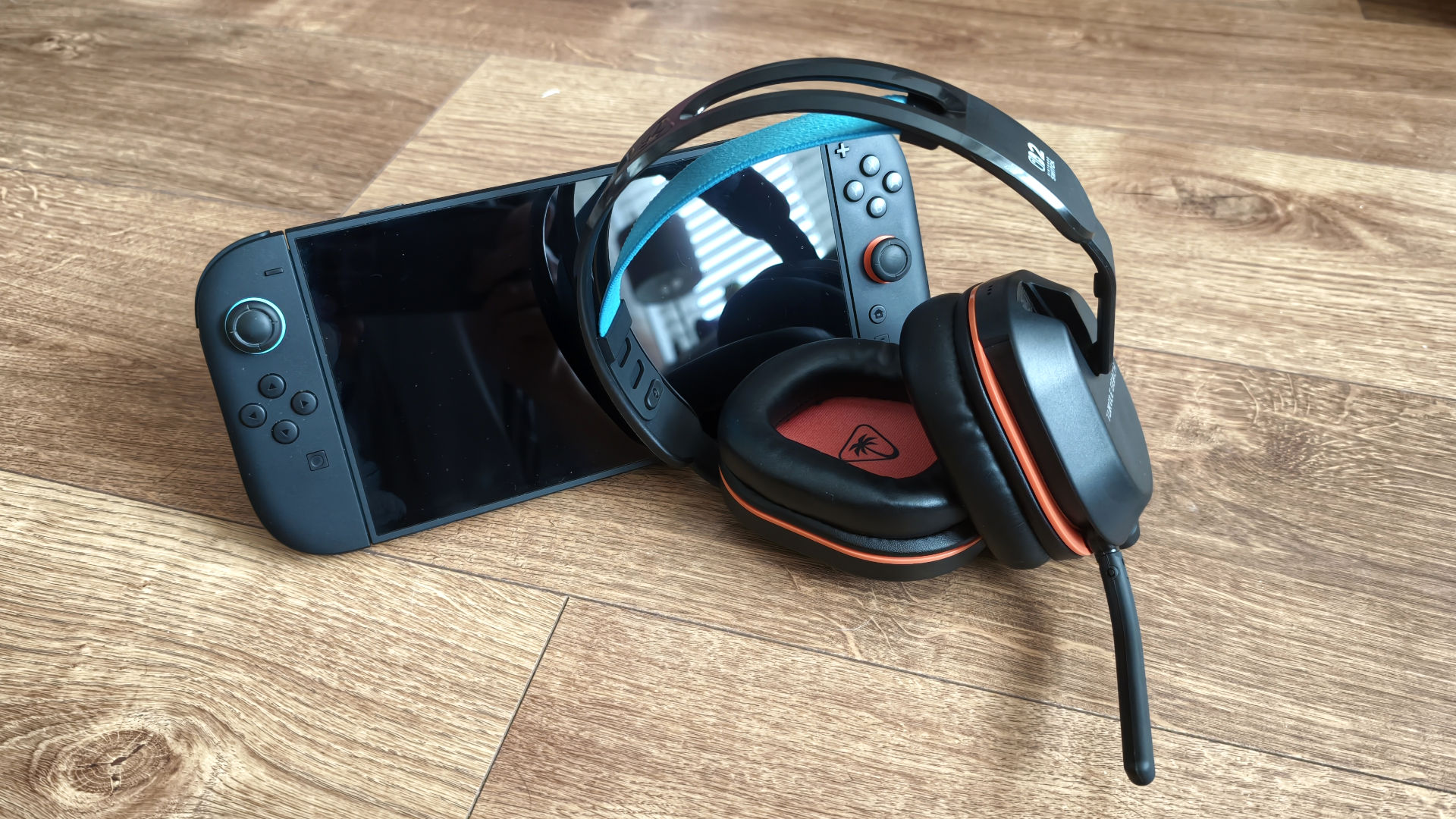
More than a year after the Nintendo Switch 2 made its highly anticipated debut, gamers finally have access to the first officially licensed headset designed specifically for the hybrid console. The Turtle Beach Stealth 500 arrives as a dedicated Switch 2 variant, featuring both design elements and technical configurations tailored to Nintendo’s latest hardware. After spending over a week testing this peripheral across various gaming scenarios, it’s clear that Turtle Beach has crafted a compelling audio solution for budget-conscious Nintendo enthusiasts who don’t want to compromise entirely on sound quality.
The gaming headset market has evolved dramatically over the past decade, with manufacturers increasingly recognizing the importance of console-specific accessories. Turtle Beach, a company that has been producing gaming audio equipment since 1975, has established itself as one of the industry’s most prolific headset manufacturers. Their partnership with Nintendo for an officially licensed Switch 2 product represents a significant milestone, as the Japanese gaming giant has historically been selective about third-party peripheral endorsements. This collaboration suggests confidence in the Stealth 500’s ability to meet Nintendo’s quality standards while serving the unique needs of Switch 2 players who game both on television and in handheld mode.
Audio Performance Exceeds Budget Expectations
The most critical aspect of any gaming headset is undoubtedly its sound quality, and the Stealth 500 delivers admirably within its price bracket of $89.99. The frequency distribution across the audio spectrum is remarkably balanced, which is particularly impressive given the headset’s affordable positioning. Budget headsets frequently struggle with bass reproduction, often producing muddy or underwhelming low-frequency response below 250 Hz. The Stealth 500 manages to avoid this common pitfall, delivering punchy and defined bass that enhances gaming immersion without overwhelming the mid-range frequencies where dialogue and important gameplay audio cues reside. While audiophiles shouldn’t expect the rumbling sub-bass frequencies found in premium headsets or dedicated home theater systems with Dolby 5.1 capabilities, the overall sonic presentation is more than satisfactory for its intended purpose.
The acoustic engineering behind the Stealth 500 reflects current trends in gaming audio technology. Modern game developers invest significant resources in spatial audio design, creating immersive soundscapes that help players locate enemies, identify environmental hazards, and experience narrative moments with greater emotional impact. A headset that can accurately reproduce these carefully crafted audio elements becomes essential for players seeking competitive advantages in multiplayer titles or deeper immersion in single-player adventures. The Stealth 500’s balanced frequency response ensures that players won’t miss crucial audio information masked by excessive bass or harsh treble peaks.
Communication Features Serve Casual Multiplayer Needs
The integrated microphone on the Turtle Beach Stealth 500 performs adequately for casual gaming communication, though content creators and streamers should look elsewhere for their audio capture needs. Testing the microphone during sessions of Big Walk and various multiplayer titles from Nintendo’s impressive Switch 2 library revealed no communication issues whatsoever. Friends reported clear, intelligible voice transmission that facilitated seamless team coordination during cooperative gameplay sessions. The microphone includes its own dedicated volume slider, allowing users to fine-tune their voice levels without diving into system menus or companion applications.
Thoughtful design touches elevate the Stealth 500’s usability in real-world scenarios. The microphone boom folds away discretely when not in use, serving double duty as a mute function for those moments when players need privacy without removing the headset entirely. Perhaps most notably, Turtle Beach has included a variable mic-monitoring slider positioned conveniently near the microphone itself. This feature, sometimes called sidetone, allows users to hear their own voice through the headset speakers, preventing the common tendency to shout when wearing closed-back headphones. Such attention to user experience details demonstrates Turtle Beach’s extensive experience in gaming peripheral design and their understanding of what competitive and casual gamers alike require from their audio equipment. For Nintendo Switch 2 owners seeking quality audio enhancement without breaking the bank, the Stealth 500 represents a well-balanced proposition that successfully bridges the gap between affordability and performance.
Expert Opinion: The Turtle Beach Stealth 500 occupies a strategic position in the Switch 2 accessory ecosystem, offering officially licensed reliability at a price point that won’t deter casual gamers. As Nintendo continues expanding its online multiplayer offerings, demand for quality communication peripherals will only increase, making early market entry crucial for Turtle Beach’s brand positioning. Expect competitors to follow with their own Switch 2-specific headsets within the coming months, potentially driving prices down while pushing feature innovation forward.