
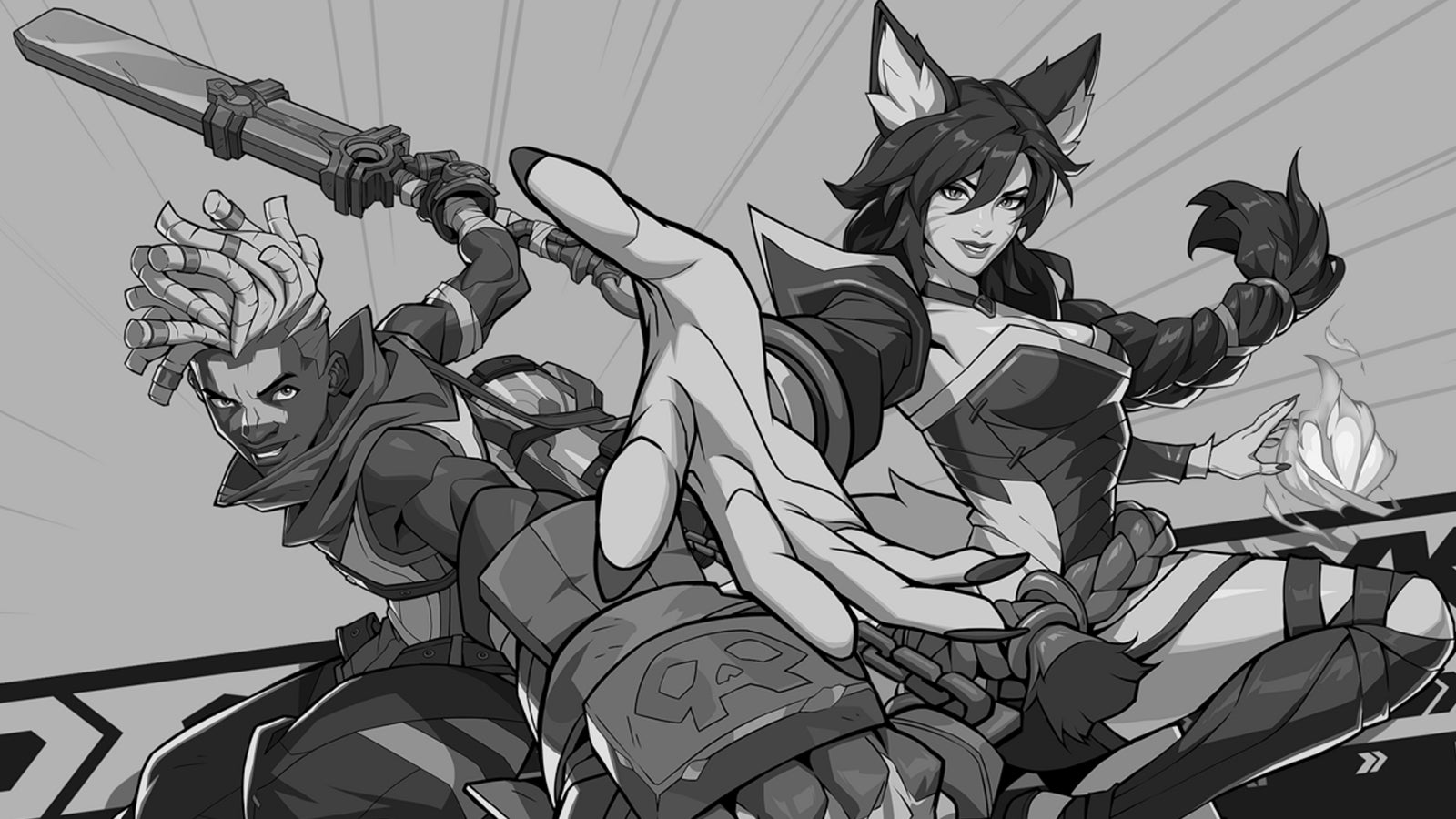
In what many are calling one of the most heartbreaking announcements in the gaming industry this year, Riot Games has officially confirmed that its ambitious League of Legends-themed fighting game, 2XKO, will cease active development in December 2026. The news, delivered through an official blog post on August 20, sent shockwaves through the fighting game community despite warning signs that had been mounting for months. The development team candidly acknowledged that player retention had fallen far short of the levels needed to sustain ongoing support for the title.
“Over the last few months, we’ve been monitoring 2XKO’s trajectory closely, and what we’ve seen is painting a clear, consistent picture: while a lot of you jumped in to try the game and there’s an incredible community that plays every day, we haven’t seen enough players stick with the game to get to a path toward sustainability,” the team wrote in their announcement. This admission highlights a persistent challenge in the fighting game genre, where even well-funded titles from major publishers can struggle to maintain the player base necessary to justify continued development and server maintenance costs.
What Remains for Players Moving Forward
Despite the end of active development, Riot Games has emphasized that 2XKO will not be completely abandoned. Online servers will remain operational beyond 2026, and offline play will continue unaffected, allowing dedicated fans to continue enjoying the game they’ve grown to love. The development team plans to release new content throughout the remainder of the year, including the addition of two new champions, Lux and Samira, along with various feature improvements and a final bug fix patch scheduled for December. However, the company’s wording has left some players concerned about the long-term future, with Riot stating they will “give advanced notice if any of that changes.”
In the coming months, Riot will implement several significant changes to the game’s economy and structure. KO Points purchases will be disabled, and all purchases made prior to August 20 will be fully refunded. Players will have access to a comprehensive bundle containing nearly all 2XKO cosmetic content for $39.99, while most items will become available for Credits. Perhaps most significantly, Riot will unlock all gameplay content, including every champion, ensuring that players who remain with the game have access to the full roster without additional investment.
Competitive Scene Winds Down After Final Events
The 2XKO Competitive Series will continue through the end of 2026, giving professional players and tournament organizers one final season to compete at the highest level. Riot has committed to supporting players and tournament organizers during this transitional period, including providing prize money for all Major and Challenger events. The final Competitive Series event is scheduled for November, marking the end of official competitive support for the title. However, the company has confirmed that tournament organizers can continue running both offline and online events featuring 2XKO using community competition guidelines starting in 2027.
The decision to end ranked lobbies represents a practical approach to the game’s declining player base. By consolidating all players into casual matchmaking pools, Riot aims to ensure faster queue times and more balanced matches for the remaining community. “Ranked lobbies will be disabled to ensure that we can matchmake within a single pool of players per server,” the post explains. “Casual lobbies will still be matchmade by skill, so you should still expect to see players around your skill level.” Private lobbies will remain fully functional, allowing dedicated community members to organize their own competitive experiences.
Why 2XKO Failed to Find Sustainability
The development team provided candid insight into why the game failed to achieve long-term viability. According to their analysis, while hardcore tag fighter enthusiasts embraced 2XKO, the broader fighting game audience struggled to find compelling reasons to continue playing. “Diehard tag fighter players loved 2XKO, but most other fighting game players struggled to find reasons to stick with the game,” the team explained. Despite efforts to attract and retain players, the game never achieved the trajectory necessary for sustainability, with player numbers representing “only a fraction of what it would take to trend toward sustainability.”
Riot explored multiple alternatives before reaching this decision, including workforce reductions implemented back in February, adjusted patch schedules, and potential changes to the business model. Ultimately, the company concluded that “finishing the rest of our work-in-progress content and sunsetting active development was the best route forward for players and Rioters.” This approach mirrors decisions made by other major publishers facing similar challenges in the competitive gaming landscape, where the costs of ongoing live service development often prove unsustainable for titles that fail to capture mainstream appeal.
Community Reaction and Industry Implications
The fighting game community’s response to the announcement has been overwhelmingly negative, with many expressing frustration at Riot’s track record of discontinuing projects that don’t match the astronomical success of League of Legends. Evo, the world’s most prestigious fighting game tournament, released a statement expressing solidarity with the development team: “Not the news we wanted to hear today. Sending love to the team who worked so hard to bring the game to life.” Individual players have been more pointed in their criticism, with one writing, “Shame on Riot for the way they turn their backs on games they develop that don’t have LoL numbers.”
The 2XKO situation reflects broader challenges facing the fighting game genre and the gaming industry as a whole. Fighting games have historically struggled to maintain large player bases compared to other competitive genres, requiring significant skill investment and offering steep learning curves that can deter casual players. The February layoffs that affected dozens of 2XKO developers had already sparked fears about the game’s future, and those concerns have now been validated. For Riot Games, which has built an empire on the sustained success of League of Legends and more recently Valorant, the failure of 2XKO represents another reminder that lightning rarely strikes twice in the gaming industry.
Expert Opinion: The demise of 2XKO underscores a critical reality in modern game development: even substantial backing from industry giants cannot guarantee success in niche genres with established competition. Riot’s decision to maintain servers while ending active development represents a relatively player-friendly approach to sunsetting, but the pattern of canceling projects that don’t achieve League of Legends-level success may ultimately discourage internal innovation and risk-taking within the company.