
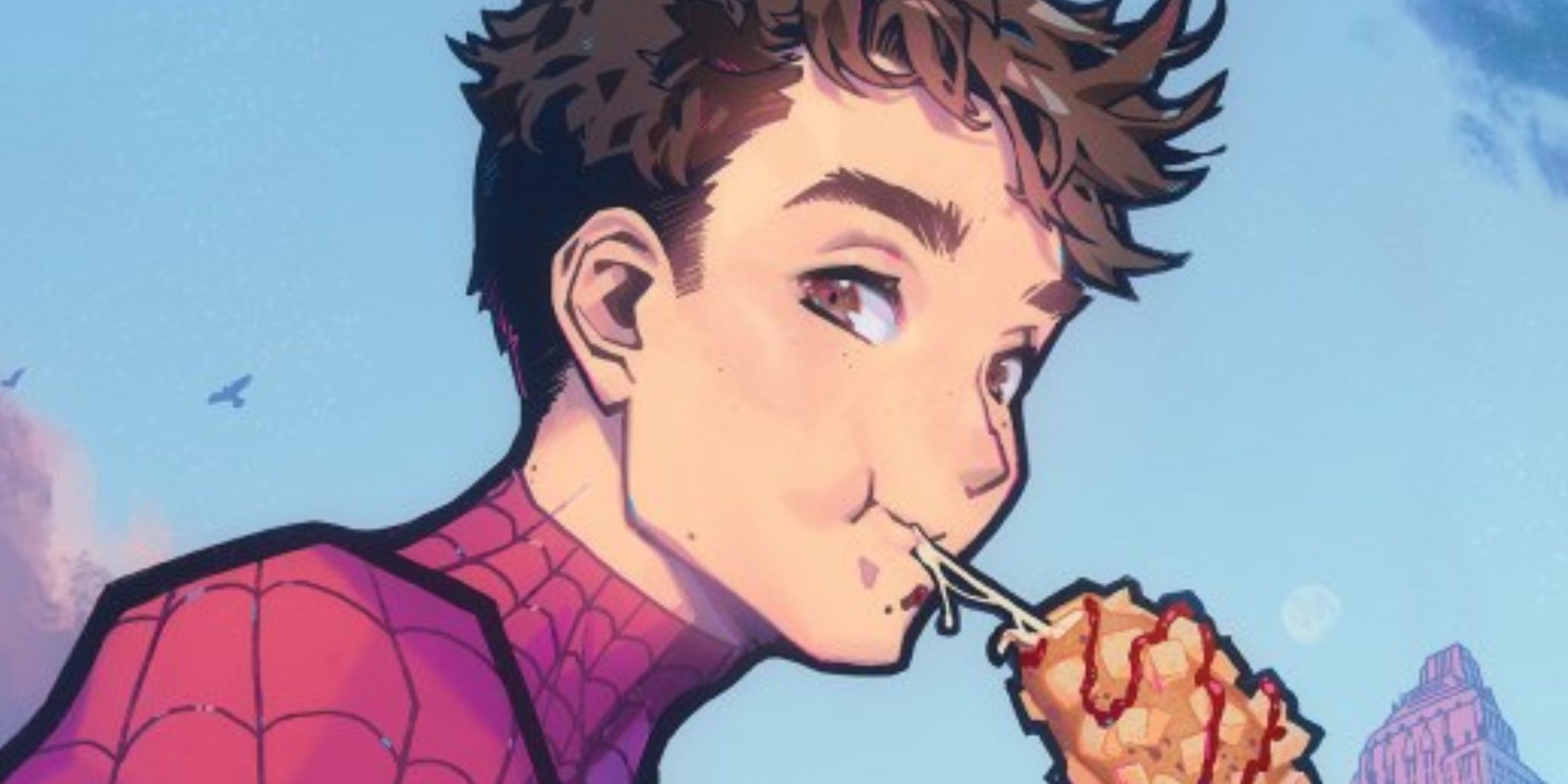
The ever-revolving door of creative teams at Marvel Comics has once again brought significant changes to one of the publisher’s most beloved characters. Every time a new writer and artist take the reins of a Spider-Man title, readers brace themselves for the inevitable retcons and alterations that come with the territory of making comics accessible to new audiences. While this approach can serve as a fresh starting point for newcomers to the web-slinger’s adventures, longtime fans who have invested years in following Peter Parker’s journey often find themselves frustrated when beloved story elements are casually dismissed or erased from continuity.
The latest changes to Spider-Man represent what many fans are calling a significant “nerf” to the character’s established abilities and history. In comic book terminology, a nerf refers to reducing a character’s power level or capabilities, often to create new dramatic tension or storytelling opportunities. However, critics argue that this particular modification goes beyond simple power adjustments and fundamentally alters aspects of Spider-Man that readers have come to love over decades of storytelling. The decision has sparked heated debates across social media platforms and comic book forums, with passionate arguments on both sides of the issue.
The Complex History of Spider-Man Retcons
Spider-Man’s publication history stretches back to 1962 when Stan Lee and Steve Ditko first introduced the character in Amazing Fantasy #15. Over more than six decades of continuous publication, the character has undergone countless changes, reboots, and retcons. Some alterations have become accepted parts of the mythology, while others remain controversial among the fanbase. The infamous “One More Day” storyline from 2007, which magically erased Peter Parker’s marriage to Mary Jane Watson, remains perhaps the most divisive editorial decision in Spider-Man history. Many fans still refuse to accept that retcon, demonstrating how deeply readers can be affected by changes to their favorite characters.
The challenge facing Marvel editors and creative teams is balancing respect for established continuity with the need to keep stories fresh and accessible. Spider-Man comics have accumulated an enormous amount of lore over the decades, including multiple clone sagas, symbiote storylines, identity reveals, and cosmic-level adventures. For new readers picking up their first issue, this mountain of backstory can feel insurmountable. Publishers argue that periodic simplification of continuity helps maintain the character’s commercial viability and attracts the next generation of fans. However, this utilitarian approach often comes at the cost of alienating dedicated readers who have supported the title through thick and thin.
Why This Particular Change Matters More
What makes the current situation particularly troubling for many fans is not just the nature of the changes themselves, but what they represent about Marvel’s editorial philosophy. Critics argue that the publisher has developed a pattern of treating Spider-Man’s history as infinitely malleable, making it difficult for readers to feel emotionally invested in any particular development. If any storyline can be casually undone by the next creative team, what motivation do readers have to care about current events? This concern extends beyond Spider-Man to the broader superhero comic book industry, where perpetual serialization requires characters to remain in a state of perpetual status quo despite decades of supposed growth and change.
Industry analysts note that comic book sales have been declining for years, with the medium increasingly reliant on collected editions and digital subscriptions rather than monthly single issues. Some argue that constant retcons and new-reader-friendly reboots actually contribute to reader attrition rather than solving it. Longtime fans represent a dedicated customer base that keeps titles profitable during lean periods, and repeatedly alienating them in pursuit of hypothetical new readers may be a counterproductive strategy. The Spider-Man franchise remains one of Marvel’s most valuable properties, generating billions in film, television, and merchandise revenue, making the handling of the character in comics a matter of significant corporate interest.
The Path Forward for Spider-Man
Despite the controversy, Spider-Man has proven remarkably resilient throughout his publishing history. The character has survived disco-era storylines, controversial clone revelations, and even a period where Doctor Octopus inhabited Peter Parker’s body. Fans have repeatedly returned to the character after swearing off the comics in frustration, drawn by their fundamental love of the web-slinger and hope that new creative teams will deliver stories worthy of the character’s legacy. Whether the current changes will ultimately be accepted, reversed, or simply ignored by future writers remains to be seen, but the passionate response from readers demonstrates that Spider-Man continues to matter deeply to millions of people around the world.
Expert Opinion: The cyclical nature of comic book continuity suggests that controversial changes rarely last permanently, particularly for flagship characters like Spider-Man. Marvel’s editorial team likely views this as a calculated risk to generate discussion and potentially attract new readers, but the long-term health of the franchise depends on eventually finding a balance that satisfies both newcomers and devoted longtime fans. Expect significant course corrections within the next two to three years if sales metrics indicate reader dissatisfaction.