
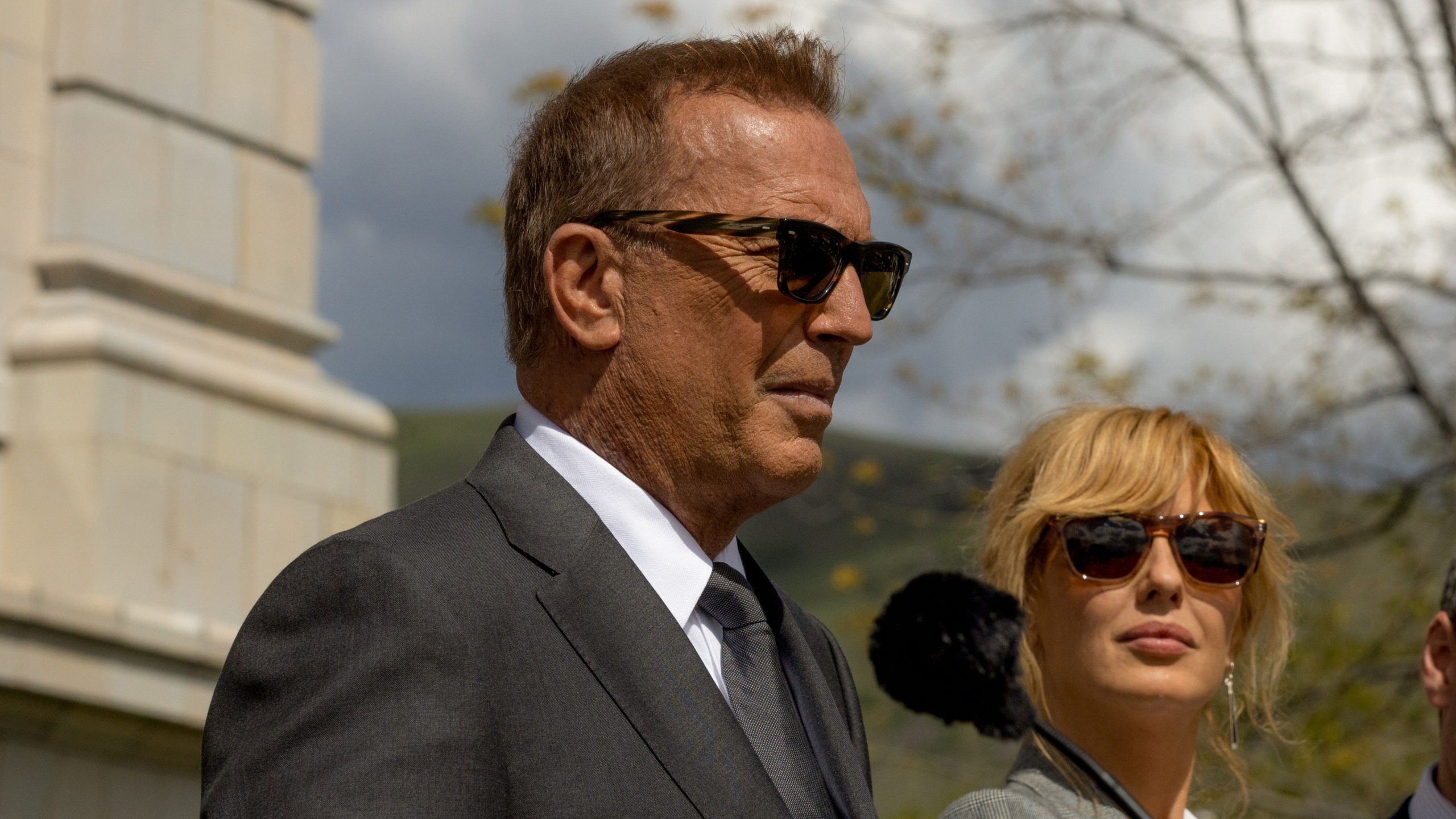
Taylor Sheridan’s Yellowstone has captivated millions of viewers since its premiere in 2018, becoming one of the most-watched cable television series in recent memory. The show follows the Dutton family as they fight to protect their sprawling Montana ranch from developers, politicians, and neighboring rivals. While the drama delivers stunning cinematography, complex characters, and gripping storylines, it occasionally ventures into territory that feels more Hollywood than heartland. Despite its gritty Western aesthetic and claims to authenticity, certain lines of dialogue stand out as phrases no real person would ever utter in actual conversation.
The Paramount Network series has built its reputation on portraying a rugged, uncompromising vision of modern ranching life. Kevin Costner’s portrayal of patriarch John Dutton earned critical acclaim for its stoic intensity, while supporting cast members like Cole Hauser, Kelly Reilly, and Luke Grimes have become household names. However, the show’s tendency toward grandiose speeches and poetic declarations sometimes undermines the realistic foundation it works so hard to establish. When characters deliver perfectly crafted philosophical monologues in the middle of cattle drives or tense confrontations, the suspension of disbelief can waver considerably.
The Art of Over-Dramatic Western Dialogue
Television dramas have long struggled with the balance between naturalistic dialogue and memorable, quotable lines. Aaron Sorkin’s rapid-fire exchanges in The West Wing and David Milch’s Shakespearean profanity in Deadwood represent opposite ends of this spectrum, but both maintained internal consistency. Yellowstone often attempts to split the difference, presenting ranch hands and family members who alternate between authentic-sounding banter and suddenly philosophical proclamations that would feel more at home in a Cormac McCarthy novel than around a dinner table.
Creator Taylor Sheridan, who also wrote acclaimed films like Sicario and Hell or High Water, has developed a distinctive voice that prioritizes dramatic impact over conversational realism. Characters frequently deliver wisdom about life, death, and the American West in perfectly constructed sentences that no human would compose spontaneously. While this approach creates memorable moments that resonate with audiences and generate social media engagement, it can occasionally pull viewers out of the carefully constructed world. The contrast becomes particularly stark when these poetic declarations follow scenes of realistic ranch work or family dysfunction.
When Characters Sound Like Fortune Cookies
The Dutton family’s tendency toward profound statements extends to nearly every character, regardless of their background or education level. Beth Dutton, played brilliantly by Kelly Reilly, delivers devastating verbal takedowns that would require hours of preparation in real life but flow effortlessly in the heat of the moment. Similarly, Rip Wheeler’s romantic declarations to Beth often sound like they were lifted from greeting cards rather than emerging naturally from a hardened ranch foreman. These moments, while entertaining, highlight the gap between dramatic television writing and authentic human communication.
Industry analysts note that Yellowstone’s success despite these quirks reflects audience appetite for escapist entertainment that feels grounded while still delivering larger-than-life moments. The show has spawned multiple spinoffs, including 1883 and 1923, each carrying forward this distinctive dialogue style. Viewers have embraced the heightened reality, treating memorable lines as features rather than bugs. Social media platforms overflow with quotes from the series, shared as inspirational messages or relationship goals, suggesting that audiences appreciate the theatrical approach even when it strays from strict realism.
The Legacy of Stylized Western Storytelling
Yellowstone continues a long tradition of Westerns that prioritize mythmaking over documentary accuracy. From John Ford’s sweeping epics to Clint Eastwood’s laconic antiheroes, the genre has always balanced authenticity with romanticism. The dialogue choices that sometimes feel unrealistic serve a larger purpose: they transform ordinary ranchers into modern-day knights defending their kingdom. Whether viewers embrace or critique this approach often depends on their expectations going into the experience. For millions of fans, the heightened dialogue is precisely what elevates Yellowstone from typical television drama into appointment viewing that demands discussion and dissection.
Expert Opinion: Television dialogue expert and screenwriting professor Amanda Chen notes that shows like Yellowstone deliberately sacrifice naturalism for memorability, creating shareable moments that drive cultural conversation. This approach, while sometimes jarring to critics seeking strict realism, has proven remarkably effective at building devoted audiences who quote favorite lines and engage deeply with character dynamics. The strategy suggests that modern viewers increasingly value theatrical impact over documentary authenticity in their entertainment choices.