

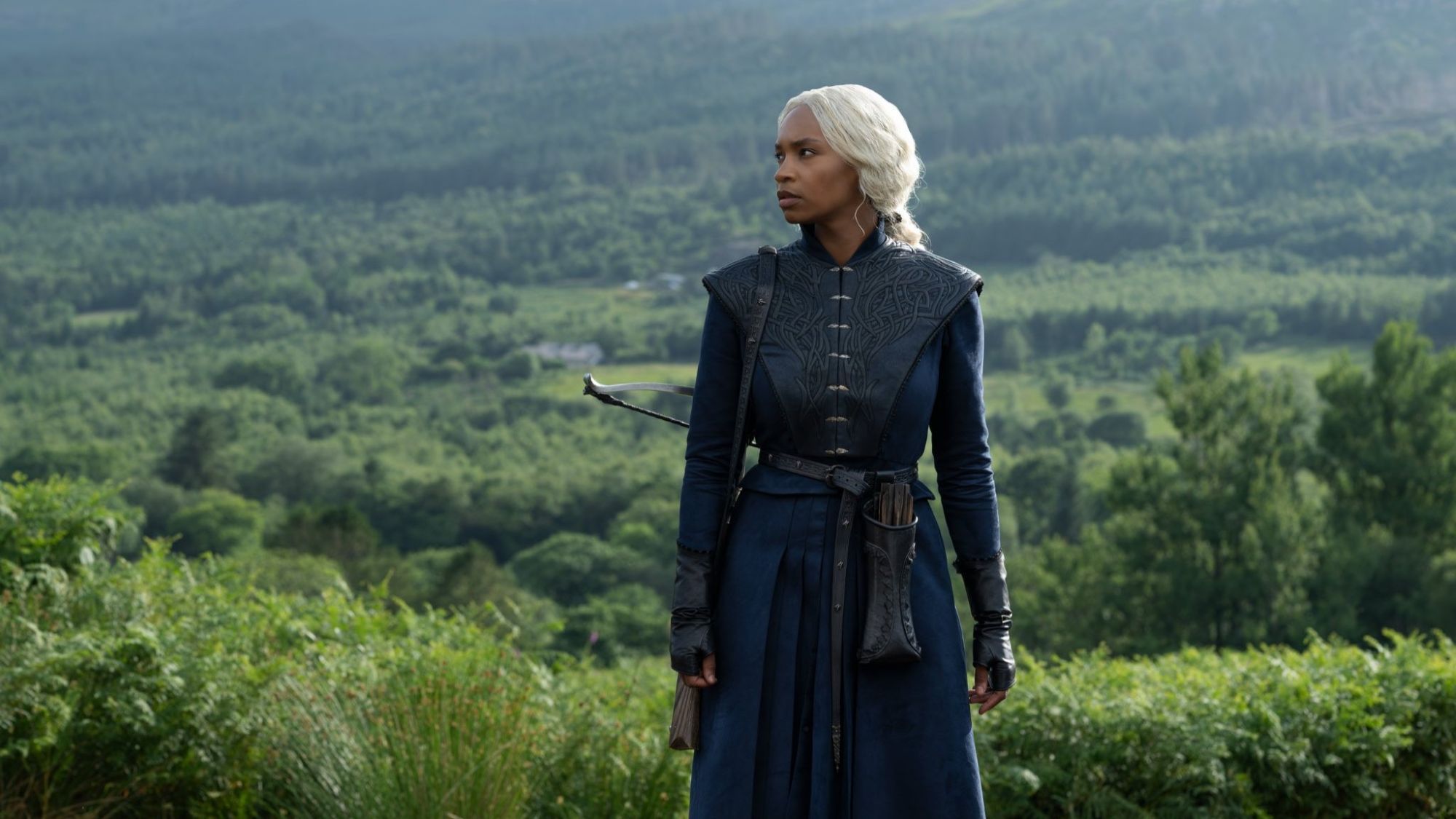
As House of the Dragon Season 3 prepares to deliver its highly anticipated finale this weekend, millions of devoted fans are bracing themselves for what promises to be an extended hiatus before the epic fantasy series returns for its concluding chapter. The third season has been a rollercoaster of emotions for viewers, introducing several controversial departures from George R.R. Martin’s source material “Fire & Blood” while simultaneously breaking viewership records and reigniting passionate discussions across social media platforms and fan communities worldwide.
The premiere episode of Season 3 demonstrated the enduring appeal of the Targaryen civil war narrative, attracting an impressive 21.5 million viewers within just three days of its release. This remarkable figure positions the show as one of the most successful streaming and television premieres of 2026, cementing HBO’s dominance in the prestige fantasy television market. The numbers represent not only the continued loyalty of Game of Thrones enthusiasts but also the successful cultivation of a new generation of fans who have been drawn into the complex world of Westeros through this prequel series.
Controversial Changes Spark Heated Debate Among Book Readers
Throughout its third season, House of the Dragon has made several bold creative decisions that have divided its passionate fanbase. Showrunners have chosen to adapt certain events from “Fire & Blood” with significant alterations, prompting intense discussions about the balance between faithful adaptation and creative license. Some viewers have praised these changes as necessary improvements for the television medium, arguing that the visual storytelling format requires different pacing and character development than a historical chronicle written from multiple unreliable perspectives. Critics, however, contend that certain modifications undermine the thematic integrity of Martin’s original work, particularly regarding character motivations and the moral ambiguity that defined the source material.
The debate surrounding adaptation fidelity has been a constant companion to both Game of Thrones and its successor series. Industry analysts note that this tension between source material and screen adaptation is common across major fantasy properties, from The Lord of the Rings to The Witcher. What distinguishes House of the Dragon is the unique nature of its source text—”Fire & Blood” is presented as an in-universe historical account rather than a traditional novel, giving showrunners considerable latitude in interpreting events while also inviting scrutiny from dedicated readers who have spent years theorizing about the Dance of the Dragons.
The Long Wait: What Fans Can Expect Before 2028
Perhaps the most challenging news for devoted viewers is the confirmation that the fourth and final season is not expected to premiere until at least 2028. This extended production timeline reflects the ambitious scope of the series finale, which will need to depict some of the most dramatic and effects-heavy sequences in the entire Dance of the Dragons narrative. The time required for dragon visual effects, elaborate battle sequences, and the coordination of multiple storylines across Westeros necessitates this lengthy development period. HBO has historically prioritized quality over rushed production schedules, a philosophy that has served their flagship fantasy properties well despite occasional viewer frustration with waiting periods.
During the hiatus, fans will have numerous opportunities to engage with the broader world of Westeros. Speculation about the final season’s plot developments will undoubtedly dominate fan forums and social media discussions, while the upcoming “A Knight of the Seven Kingdoms” spinoff series promises to expand the universe further. Additionally, the ever-present hope for the publication of “The Winds of Winter,” the long-awaited sixth book in Martin’s main series, continues to sustain reader interest in the franchise. The interconnected nature of these properties ensures that the Game of Thrones universe remains culturally relevant even during production breaks.
Legacy of the Targaryen Dynasty on Screen
House of the Dragon has successfully established itself as more than a mere spinoff, proving that the rich history of Westeros contains countless stories worthy of adaptation. The series has introduced audiences to a different era of Targaryen power, one defined by the height of dragon supremacy and the catastrophic civil war that would ultimately weaken the dynasty’s grip on the Iron Throne. As Season 3 concludes, the show has positioned itself alongside its predecessor as a defining achievement in fantasy television, demonstrating that careful world-building and complex character work can sustain audience interest across multiple seasons and production challenges.
Expert Opinion: The remarkable viewer numbers for House of the Dragon Season 3 suggest that premium fantasy content remains a reliable investment for streaming platforms, despite increasing competition in the genre. However, the two-year gap before the final season represents a significant risk, as audience attention spans continue to fragment across an ever-expanding content landscape. HBO’s track record with the original series suggests they will deliver a satisfying conclusion, but maintaining momentum through 2028 will require strategic marketing and possibly expanded ancillary content to keep fans engaged.