
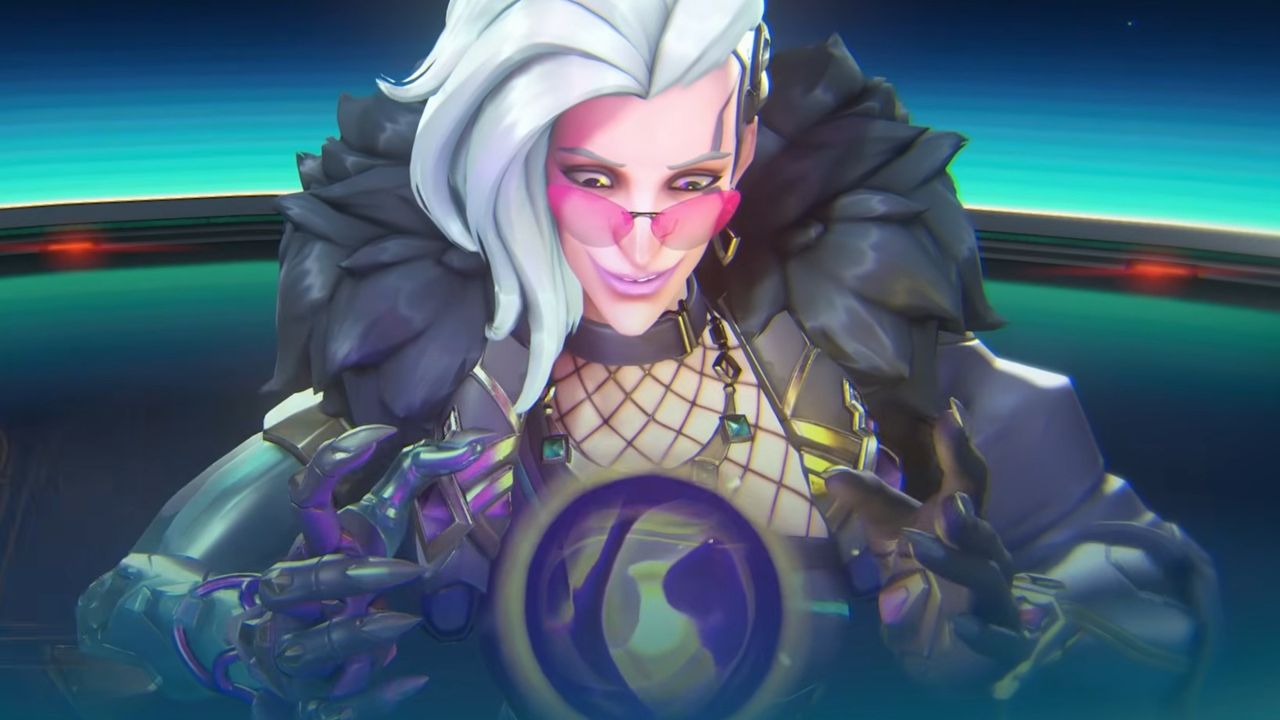
Blizzard Entertainment is preparing to roll out a significant overhaul to Overwatch’s battle pass system on August 11, introducing a more complex but potentially more player-friendly approach to unlocking rewards. The revamp, detailed by Producer Director Chris McCabe in an official blog post, represents one of the most substantial changes to the game’s progression system since Overwatch 2 launched in October 2022. While the new system adds layers of complexity that might initially overwhelm players, the underlying philosophy appears designed to give gamers greater control over their progression path and reward acquisition.
The cornerstone of this transformation is the division of the existing 80-tier battle pass into five distinct “tracks” that players can choose from at the beginning of each season. This modular approach allows players to prioritize specific rewards based on their gameplay preferences and favorite heroes. For example, Support players who main Brigitte can now select a track that features her cosmetic rewards earlier in the progression, rather than waiting until tier 70 of a linear system. This represents a fundamental shift in how battle pass progression works, moving away from the one-size-fits-all model that has dominated the industry.
Maintaining Balance While Adding Flexibility
One of the primary concerns players might have with such a dramatic restructuring is whether it will require additional grinding to unlock all available content. Blizzard has moved quickly to address these worries, with McCabe explicitly stating that the total number of tiers remains unchanged and players won’t need to invest more time to complete their battle passes. The total XP requirements should remain consistent with previous seasons, meaning dedicated players can still unlock everything within the same timeframe they’re accustomed to. Furthermore, players retain the flexibility to switch between active tracks at any time, ensuring they’re never locked into a progression path that no longer serves their interests.
The battle pass model has become ubiquitous in modern gaming since its popularization by Fortnite in 2018. What started as a simple seasonal progression system has evolved into increasingly complex reward structures across virtually every major live-service game. Overwatch 2’s transition from a loot box model to a battle pass system was controversial when it launched, with many players criticizing the perceived reduction in free cosmetic acquisition. This revamp appears to be Blizzard’s attempt to address some of those long-standing criticisms while maintaining the monetization framework that has become standard in the free-to-play market.
The Tier Hack System Opens New Possibilities
Perhaps the most intriguing addition is what Blizzard calls the “Tier Hack” system, available to purchasers of the premium battle pass tier. This feature allows players to replace any skin at the end of a track with a different Legendary skin from a curated selection of past Overwatch Shop and Loot Box skins. Season 4 will launch with 12 Legendary skins in this pool, drawing from fan-favorite collections throughout the game’s history. Blizzard has committed to ensuring representation across all three hero roles in this selection, with particular attention to heroes who don’t frequently appear in seasonal battle passes.
This Tier Hack system effectively creates a secondary pathway for players to acquire legacy content they may have missed, addressing one of the most persistent complaints in the Overwatch community. Since the transition to Overwatch 2, many players have expressed frustration at being unable to obtain cosmetics from the original game’s loot box era. The curated pool will rotate each season, giving players ongoing opportunities to collect classic skins while potentially driving engagement with the premium battle pass tier. McCabe has indicated that additional battle pass updates are planned, including a “Legacy Battle Pass Unvault” system arriving at the Season 4 midseason in September.
A Turning Point for Overwatch’s Reputation
The timing of this revamp is notable given Overwatch 2’s troubled relationship with its player community. The game famously earned “Mostly Negative” reviews on Steam, becoming one of the worst-rated titles on Valve’s platform for an extended period. However, recent improvements have helped the game climb out of that negative reception, with players acknowledging Blizzard’s efforts to address community concerns. This battle pass overhaul represents another step in what appears to be a longer-term strategy to rebuild goodwill with the player base while maintaining a sustainable business model.
Blizzard has announced that the new battle pass system will be showcased in an upcoming livestream, alongside improvements to the user interface designed to make the more complex system easier to navigate. The success of this revamp will likely depend heavily on how intuitive the new UI proves to be and whether the promised flexibility genuinely translates into a better player experience. With live-service games increasingly competing for players’ time and money, Overwatch’s willingness to substantially rework its progression systems could either set a new standard for player-friendly battle passes or serve as a cautionary tale about overcomplicating what should be straightforward reward systems.
Expert Opinion: This battle pass restructuring signals Blizzard’s recognition that player agency in progression systems directly impacts engagement and satisfaction. If executed properly with clear UI and genuinely equivalent time investment, this five-track model could become a template for other live-service games struggling with player fatigue. The Tier Hack system, in particular, represents a clever approach to monetizing legacy content while giving players tangible value for premium purchases.