
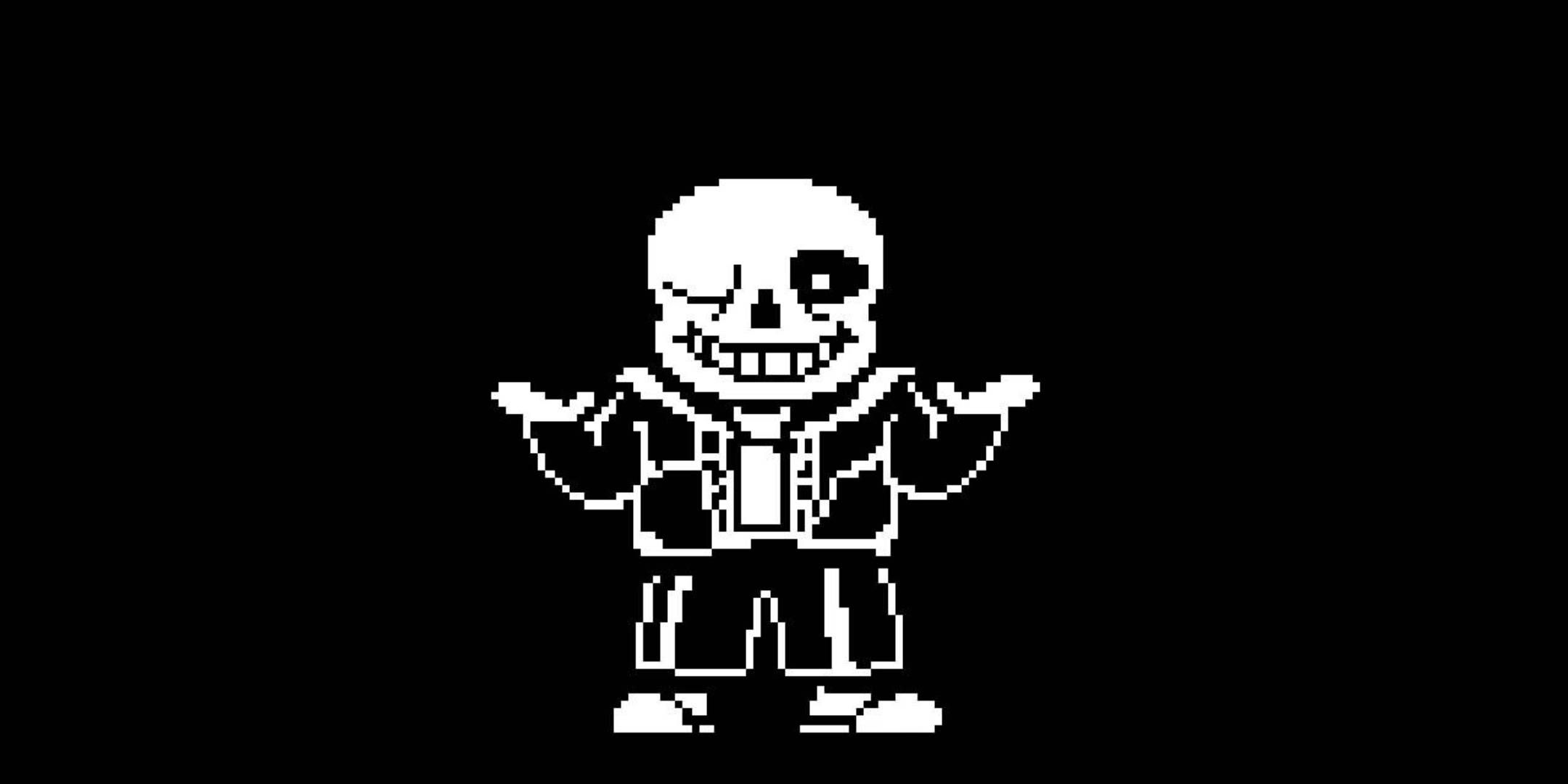
Imagine waking up somewhere that isn’t your bedroom, surrounded by strangers in skull masks holding cake and balloons, and slowly realizing you’re dead. This surreal scenario isn’t from a fever dream—it’s the opening of a remarkable free video game that has quietly accumulated outstanding reviews on Steam. The game masterfully blends the philosophical afterlife charm of the beloved sitcom The Good Place with the emotionally devastating combat mechanics of Undertale, one of the most influential indie RPGs of the past decade. With a user rating hovering around 9 out of 10, this hidden gem represents everything that makes independent game development so exciting in 2024.
The indie gaming scene has long been a breeding ground for creative experimentation, producing titles that major studios would never greenlight. Games like Undertale, released in 2015 by solo developer Toby Fox, proved that small-scale projects could achieve mainstream success while tackling complex themes about violence, choice, and morality. That game famously allowed players to complete the entire adventure without killing a single enemy, revolutionizing how developers approach combat in role-playing games. The influence of Undertale continues to ripple through the indie space, inspiring a new generation of creators to explore similar territory with their own unique twists.
A Perfect Blend of Philosophy and Gameplay
What makes this free RPG particularly compelling is its willingness to tackle weighty philosophical questions about death, morality, and what comes after our time on Earth ends. The Good Place, which ran for four seasons on NBC from 2016 to 2020, explored similar territory through comedy, following a woman who finds herself in the afterlife and must grapple with questions about what it means to be a good person. The show became a cultural phenomenon precisely because it made philosophy accessible and entertaining, introducing millions of viewers to concepts from moral philosophy while delivering genuine laughs and emotional moments.
The game draws clear inspiration from this approach, using the framework of an afterlife setting to explore meaningful questions about human nature and redemption. Players find themselves navigating a world populated by mysterious masked figures who seem equal parts welcoming and unsettling. The juxtaposition of celebration imagery—cake, balloons, party atmospheres—with the sobering reality of death creates a tone that feels both whimsical and deeply contemplative. This tonal balance is notoriously difficult to achieve, yet the developers have managed to strike it with remarkable precision.
The Legacy of Choice-Based Combat
The combat system pays clear homage to Undertale’s revolutionary approach, giving players meaningful choices about how to resolve conflicts. Rather than simply grinding through enemies, players must consider the consequences of their actions and the humanity of those they encounter. This mechanic transforms what could be routine battles into moral dilemmas, forcing players to engage with the game’s themes on a deeper level. The emotional weight of these decisions has resonated strongly with players, contributing to the game’s exceptional review scores.
The fact that such a polished, thoughtful experience is available completely free speaks to the passion driving independent game developers today. While major publishers focus on blockbuster releases with massive budgets, indie creators continue to produce experiences that prioritize artistic vision and emotional impact over commercial considerations. Steam has become an invaluable platform for these projects, allowing developers to reach audiences directly and build communities around their work. For players seeking something different from mainstream gaming, these hidden gems offer experiences that linger long after the credits roll, proving that the most memorable games often come from the smallest teams with the biggest ideas.
Expert Opinion: This title exemplifies a growing trend in indie gaming where developers leverage the accessibility of free-to-play models to build passionate communities before potentially expanding into larger projects. The combination of philosophical depth and emotional gameplay mechanics suggests we’ll continue seeing Undertale’s influence for years to come, with new developers finding innovative ways to make players question their choices and confront meaningful themes through interactive storytelling.