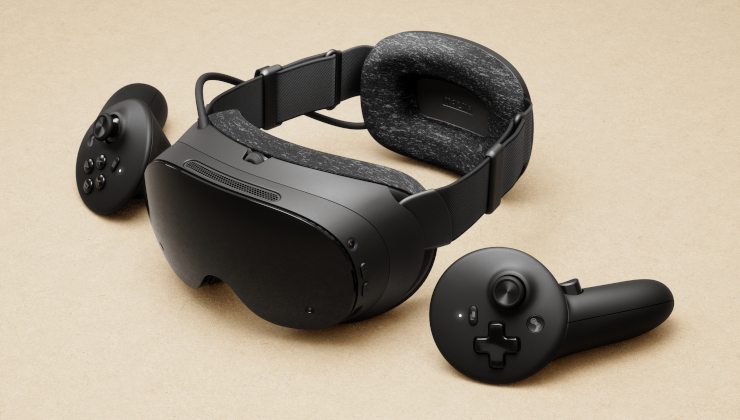

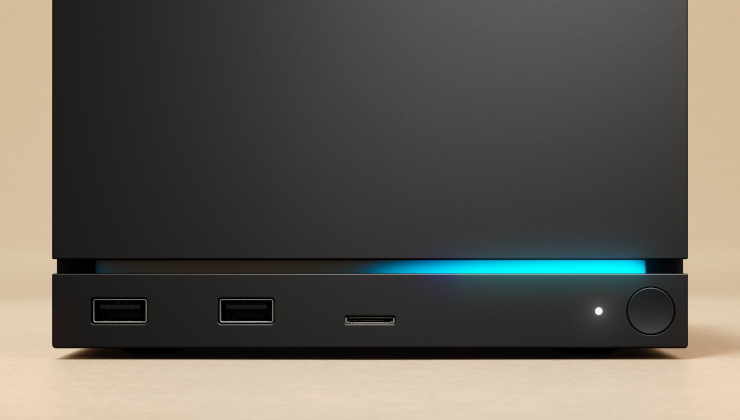
The popular emulation frontend EmuDeck has officially announced that their software is now fully optimized and ready for use on Valve’s Steam Machine platform. This development marks a significant milestone for retro gaming enthusiasts who have been eagerly awaiting seamless emulation capabilities on the new console hardware. The announcement comes as Valve continues to expand its presence in the living room gaming space, and third-party developers like EmuDeck are working diligently to ensure their software provides the best possible experience for users looking to revisit classic games from previous generations.
What EmuDeck Brings to the Steam Machine
EmuDeck serves as a comprehensive emulation management tool that simplifies the often complex process of setting up multiple emulators on a single system. Rather than requiring users to manually configure each emulator individually, EmuDeck automates much of the installation and configuration process, creating a unified and user-friendly experience. The software supports a wide range of gaming platforms, from classic 8-bit consoles like the Nintendo Entertainment System and Sega Master System to more modern platforms including the PlayStation 2, GameCube, and even newer systems depending on hardware capabilities.
The software originally gained significant popularity following the release of the Steam Deck handheld gaming device, where it became one of the most recommended tools for setting up emulation. Users appreciated how EmuDeck integrated seamlessly with Steam’s interface, allowing emulated games to appear alongside native Steam titles in the library. This integration meant players could launch their favorite retro games using the same controller-friendly interface they used for modern titles, creating a cohesive gaming experience across different eras of gaming history.
The Steam Machine Platform and Its Growing Ecosystem
Valve’s Steam Machine represents the company’s renewed effort to bring PC gaming into the living room environment. Building upon lessons learned from the original Steam Machine initiative launched in the mid-2010s and the massive success of the Steam Deck portable console, this new hardware iteration aims to provide a console-like experience while maintaining the flexibility and openness that PC gaming enthusiasts have come to expect. The system runs on SteamOS, Valve’s Linux-based operating system, which has matured significantly over the years thanks to improvements in Proton compatibility layers and widespread community support.
The importance of third-party software support like EmuDeck cannot be overstated for the Steam Machine’s success. While the platform offers access to Steam’s vast library of modern games, many players also want the ability to revisit classic titles that may not be available through official channels. Emulation provides this capability, allowing users to legally play games they already own from their original physical media or digital purchases from previous platforms. EmuDeck’s optimization for the Steam Machine ensures that this process remains accessible even to users who may not be technically inclined.
Historical Context of Emulation on Gaming Platforms
The relationship between emulation and official gaming hardware has evolved considerably over the decades. What was once viewed with suspicion by hardware manufacturers has gradually gained acceptance as a legitimate means of preserving gaming history. Major companies including Nintendo, Sony, and Sega have all released official emulation solutions for their classic libraries, acknowledging the demand for retro gaming experiences. However, third-party emulation tools like those bundled within EmuDeck often provide superior features, including enhanced graphics scaling, save state functionality, and customizable control schemes that official solutions may lack.
The open nature of Valve’s SteamOS platform makes it particularly well-suited for emulation purposes. Unlike closed console ecosystems where software must pass through strict certification processes, SteamOS allows users to install and run any compatible Linux software. This openness has fostered a vibrant community of developers creating tools and enhancements specifically designed for Valve’s hardware. EmuDeck’s compatibility announcement represents the culmination of extensive testing and optimization work to ensure the software performs reliably on the Steam Machine’s specific hardware configuration and operating system environment.
Looking forward, the EmuDeck team has indicated they will continue developing their software to take advantage of new features and capabilities as Valve updates the Steam Machine platform. Users can expect regular updates that improve performance, add support for additional emulators, and refine the overall user experience. For those interested in exploring emulation on their Steam Machine, EmuDeck remains one of the most straightforward and comprehensive solutions available.
Expert Opinion: The EmuDeck compatibility announcement signals a maturing ecosystem around Valve’s hardware initiatives. As the Steam Machine competes for living room dominance, robust emulation support could prove to be a significant differentiator against traditional consoles with more restrictive software policies. We anticipate this open approach will continue attracting both retro gaming enthusiasts and developers seeking platforms that embrace software freedom.