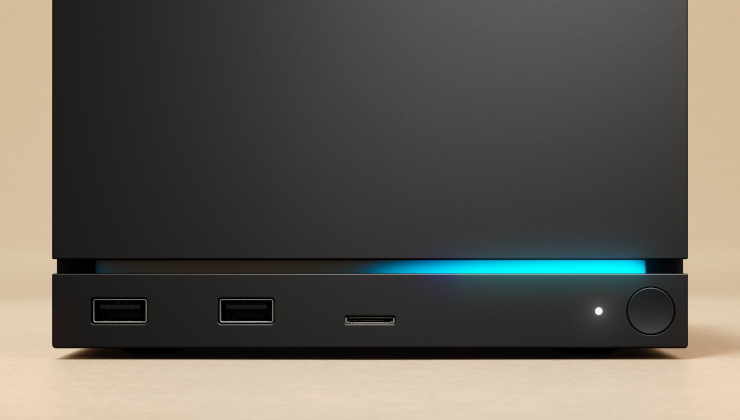


Valve appears to be facing yet another obstacle in their hardware endeavors as reports emerge that Qualcomm, one of the world’s leading semiconductor manufacturers, is planning substantial price increases on their processors. This development comes at a particularly challenging time for the gaming company, which has been working to establish itself in the portable gaming hardware market following the success of the Steam Deck. The price hike could significantly impact the production costs and final retail pricing of Valve’s anticipated Steam Frame device, potentially affecting its competitiveness in an increasingly crowded market.
The timing of Qualcomm’s announcement couldn’t be worse for Valve, as the company has historically struggled with hardware launches. From the limited success of the Steam Controller to the supply chain difficulties that plagued the early Steam Deck releases, Valve has faced numerous challenges in bringing gaming hardware to market. The Steam Frame, which is expected to utilize Qualcomm’s processors for its computing power, may now face difficult decisions regarding pricing strategy or component sourcing that could delay its launch or reduce its market appeal.
Understanding Qualcomm’s Market Position and Pricing Power
Qualcomm holds a dominant position in the mobile processor market, supplying chips for a vast majority of Android smartphones and an increasing number of portable computing devices. The company’s Snapdragon series processors have become the go-to choice for manufacturers seeking powerful, energy-efficient chips for handheld devices. This market dominance gives Qualcomm significant pricing power, as alternatives are limited and switching to different chip architectures often requires substantial redesign of products and software ecosystems. Industry analysts suggest that the price increase could range from 15 to 30 percent, depending on the specific processor models and volume commitments from manufacturers.
The semiconductor industry has experienced significant volatility in recent years, with global chip shortages, geopolitical tensions affecting supply chains, and increasing production costs all contributing to pricing pressures. Qualcomm’s decision to raise prices reflects broader industry trends, including the rising costs of advanced manufacturing processes and increased demand for high-performance mobile processors. Companies like TSMC, which manufactures chips for Qualcomm, have also been raising their prices, creating a cascading effect throughout the technology supply chain that ultimately impacts end consumers.
Implications for the Portable Gaming Market
The portable gaming hardware market has become increasingly competitive since the launch of the original Steam Deck in 2022. Companies like ASUS with their ROG Ally, Lenovo with the Legion Go, and numerous Chinese manufacturers have entered the space, all competing for the attention of gamers who want console-quality experiences on the go. Valve’s Steam Frame was expected to differentiate itself through tight integration with the Steam platform and potentially offer performance advantages through optimized hardware and software combinations. However, if Qualcomm’s price increases force Valve to raise the Steam Frame’s retail price, it could struggle to compete against established alternatives that may have locked in better component pricing through earlier agreements.
Industry experts have noted that Valve typically operates on thin margins with their hardware products, preferring to make profits through software sales on the Steam platform rather than hardware markup. This strategy worked well for the Steam Deck, which was praised for its value proposition at launch. A significant increase in component costs could force Valve to either accept even lower margins, potentially selling at a loss, or pass costs onto consumers in a way that undermines the device’s competitive positioning. Some analysts speculate that Valve might need to explore alternative chip suppliers or delay the Steam Frame launch while renegotiating terms with Qualcomm.
What This Means for Consumers and the Gaming Industry
For consumers eagerly awaiting the Steam Frame, this news introduces uncertainty into both the release timeline and expected pricing. Those who have been saving for a new portable gaming device may need to reassess their budgets or consider alternative products already on the market. The broader gaming industry is watching closely, as the outcome of this situation could influence how other hardware manufacturers approach their own product development and pricing strategies. If Valve can navigate this challenge successfully, it could demonstrate resilience that encourages further hardware innovation, but a stumble could make other companies more hesitant to enter the competitive portable gaming space.
Expert Opinion: This pricing pressure from Qualcomm represents a critical juncture for Valve’s hardware ambitions. The company will likely need to absorb some costs while potentially seeking longer-term supply agreements or exploring partnerships with alternative chip manufacturers like MediaTek. The portable gaming market is maturing rapidly, and manufacturers who can secure stable, cost-effective supply chains will ultimately dominate this increasingly important segment of the gaming industry.